
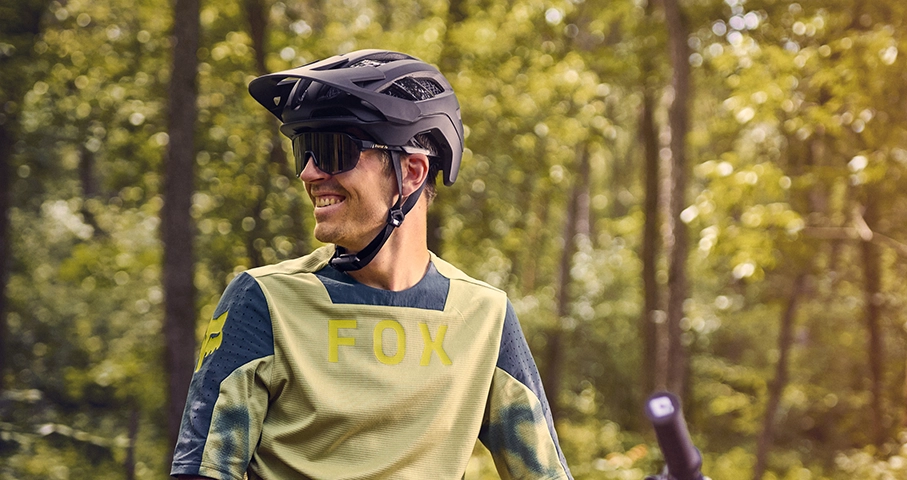
- New
-
 This product has multiple variants. The options may be chosen on the product page
-
Trek Helmet Trek Blaze WaveCel S Bronze Age/Black CE 259,99 € Instalments from. 43,33 €/month Sold out
-
Trek Helmet Trek Blaze WaveCel S Dark Star/Black CE 259,99 € Instalments from. 43,33 €/month Sold out
-
 This product has multiple variants. The options may be chosen on the product page
-
 This product has multiple variants. The options may be chosen on the product page
-
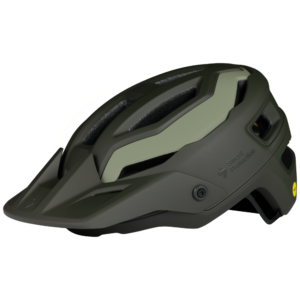 This product has multiple variants. The options may be chosen on the product page
Sweet Protection Sweet Protection Trailblazer Mips Helmet Maze Green 199,00 € Instalments from. 66,33 €/month Available
This product has multiple variants. The options may be chosen on the product page
Sweet Protection Sweet Protection Trailblazer Mips Helmet Maze Green 199,00 € Instalments from. 66,33 €/month Available -
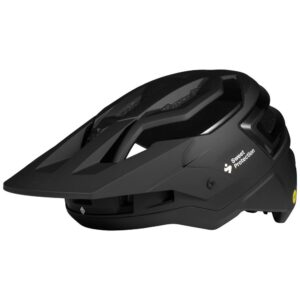 This product has multiple variants. The options may be chosen on the product page
Sweet Protection Sweet Protection Bushwhacker 2Vi Mips Helmet Matta Musta 249,00 € Instalments from. 41,50 €/month Available
This product has multiple variants. The options may be chosen on the product page
Sweet Protection Sweet Protection Bushwhacker 2Vi Mips Helmet Matta Musta 249,00 € Instalments from. 41,50 €/month Available -
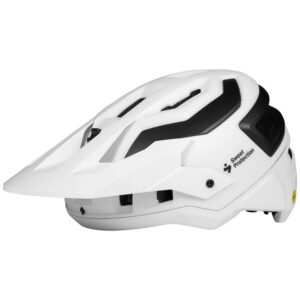 This product has multiple variants. The options may be chosen on the product page
Sweet Protection Sweet Protection Bushwhacker 2Vi Mips Helmet Matta Valkoinen 249,00 € Instalments from. 41,50 €/month Available
This product has multiple variants. The options may be chosen on the product page
Sweet Protection Sweet Protection Bushwhacker 2Vi Mips Helmet Matta Valkoinen 249,00 € Instalments from. 41,50 €/month Available -
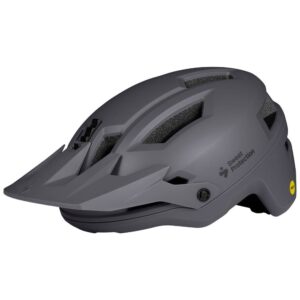 This product has multiple variants. The options may be chosen on the product page
-
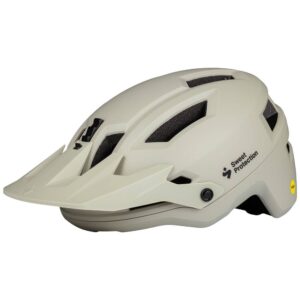 This product has multiple variants. The options may be chosen on the product page
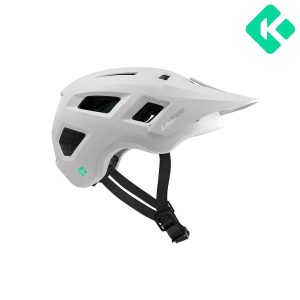
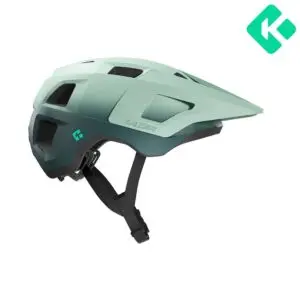
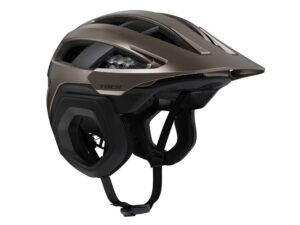
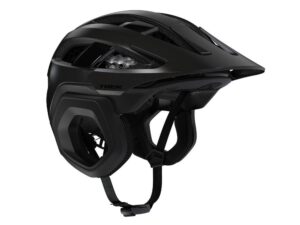
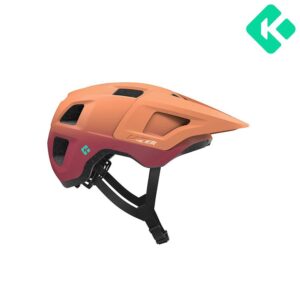
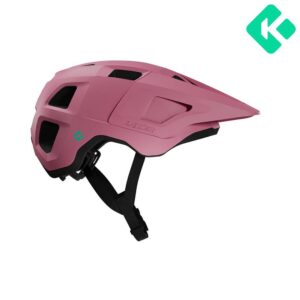
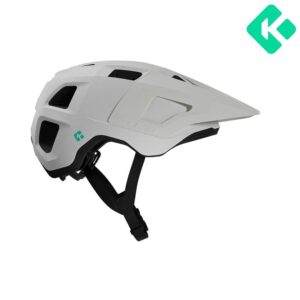
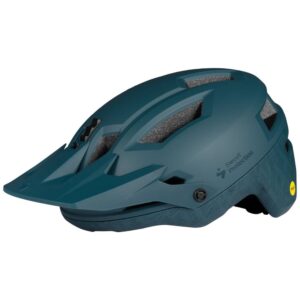
Mountain bike helmets – Maximum protection for demanding trail riding
Mountain biking places tough demands on both the rider and the gear, and the helmet is one of the most important pieces of equipment for safety. Mountain bike helmets differ from road helmets thanks to their more extensive protection and more durable construction. They offer wider coverage especially around the back of the head and temples, which increases protection in falls and collisions on uneven trails.
Why is a mountain bike helmet important?
In mountain biking, trails often include roots, rocky paths and steep descents, which increase the risk of falling. A mountain bike helmet is designed to withstand impacts and protect the rider effectively in technical and varied terrain.
Key benefits:
- Wider coverage: Protects the back of the head and temples, which are prone to injury in falls.
- Visor: Protects against sun, rain and branches. The visor may be removable or adjustable depending on the model.
- Reinforced construction: Mountain bike helmets are made from more impact-resistant materials that withstand knocks and impacts better than road helmets.
- Ventilation: Efficient ventilation keeps your head cool even on slower technical trails and in hot conditions.
Types of mountain bike helmets and their uses
1. Traditional MTB helmets
- Features: A lightweight, well-ventilated helmet offering wider protection. Suitable for general mountain biking and cross country riding.
- Uses: Mountain biking, trail riding, touring.
- Benefits: Balanced protection and comfort in light to medium-demanding terrain.
2. Enduro and all-mountain helmets
- Features: More durable construction, wider coverage area and better protection than traditional MTB helmets. Often equipped with an adjustable visor and the option to attach a chin guard.
- Uses: Demanding terrain, technical trails, enduro races.
- Benefits: Comprehensive protection for challenging conditions and high speeds.
3. Full-face helmets (downhill and enduro helmets)
- Features: A structure that covers the whole head, resembling a motorcycle helmet. The chin guard offers extra protection on fast descents and technical trails.
- Uses: Downhill, enduro, bike park riding.
- Benefits: Maximum protection in rough terrain and races.
Helmet fit and selection
A well-fitting helmet is the most effective protection against head injuries. The helmet should be snug but not tight. It shouldn't move on the rider's head, and the strap adjustments should keep the helmet securely in place. The placement of the visor and the helmet's ventilation vents should also be considered for the most comfortable ride possible.
What to consider when choosing a helmet?
- Size and fit: Make sure the helmet fits snugly and covers the back of the head well.
- Adjustment system: The helmet should have an easy-to-use adjustment mechanism that allows for a perfect fit.
- MIPS technology: Many mountain bike helmets feature MIPS (Multi-directional Impact Protection System), which reduces the risk of rotational injuries in an accident.
Helmet maintenance and lifespan
A mountain bike helmet is often exposed to dirt, mud, and impacts, so regular cleaning and inspection are important. The helmet should be replaced every 3–5 years or immediately if it has taken a hard impact.
Maintenance instructions:
- Cleaning: Wipe the helmet with a damp cloth and avoid harsh detergents.
- Storage: Store the helmet in a dry, cool place, protected from direct sunlight.
- Damage check: Check regularly that the helmet has no cracks or damage.
Summary
Mountain bike helmets offer excellent protection and comfort in demanding riding conditions. They're a cyclist's most important piece of safety gear, helping you focus on enjoying the trails without worry. By investing in a high-quality, well-fitting mountain bike helmet, you boost your safety and make sure you're protected on every route.