
-
 This product has multiple variants. The options may be chosen on the product page
-
 This product has multiple variants. The options may be chosen on the product page
-
This product has multiple variants. The options may be chosen on the product page
-
This product has multiple variants. The options may be chosen on the product page
-
−21 %
 This product has multiple variants. The options may be chosen on the product page
-
 This product has multiple variants. The options may be chosen on the product page
Protective gear – Safety and peace of mind for cycling
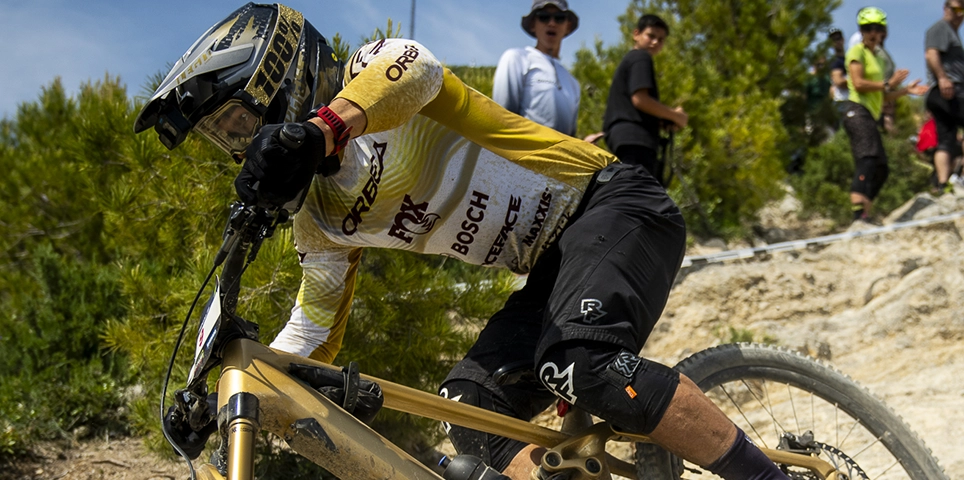
Cycling protective gear is an essential part of safe riding, especially in technical terrain, high-speed riding and races. It's designed to minimise the risk of injury in the event of falls and collisions, while offering comfort and freedom of movement.
Whether it's mountain biking, downhill, gravel riding or city cycling, protective gear shields critical parts of the body and gives the rider the confidence to focus on riding.
Why is protective gear important?
In cycling, falls and collisions can happen suddenly and cause serious injuries. The right protective gear significantly reduces the risk of injury and can be crucial for safety. It provides protection for the head, limbs and back, and many models feature a lightweight, breathable construction that doesn't restrict movement.
Key benefits:
- Protection: Reduces injuries caused by falls and impacts.
- Comfort: Ergonomic design and breathable materials ensure a great fit.
- Confidence: Gives the rider peace of mind and the courage to focus on riding in technical or challenging conditions.
The main types of protective gear
1. Helmets
The helmet is the rider's most important piece of protective gear, shielding the head from impacts and reducing the risk of serious head injuries. Choose from mountain bike helmets, road helmets and full-face helmets, offering different levels of protection depending on your riding style.
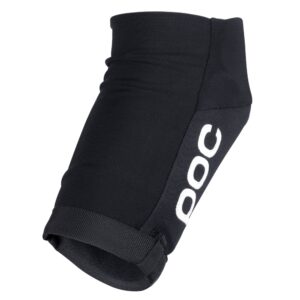
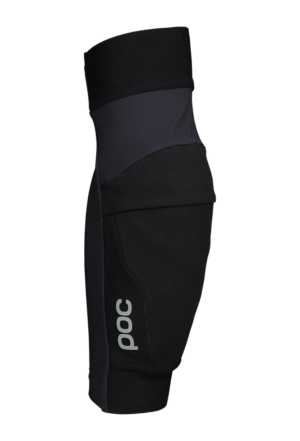
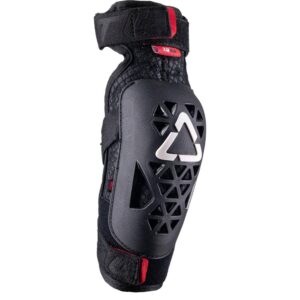
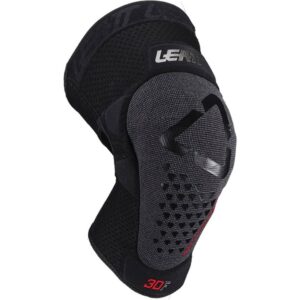
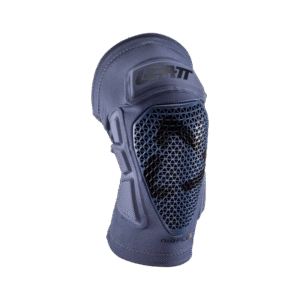
2. Knee and elbow pads
Knee and elbow pads are especially important in mountain biking and downhill riding, where collisions and falls are common. They protect the limbs from impacts and abrasions.
- Features: Lightweight construction, breathable material and shock-absorbing technology.
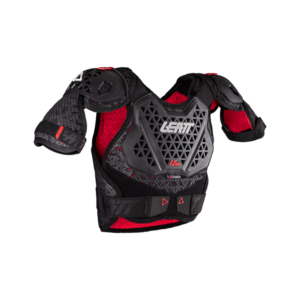
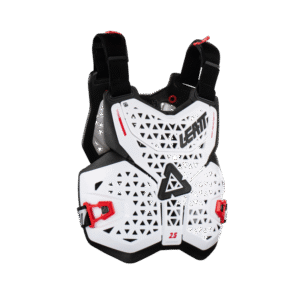
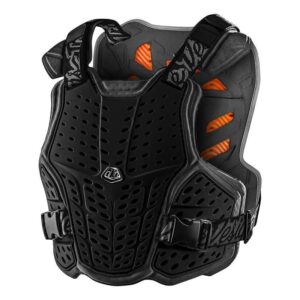
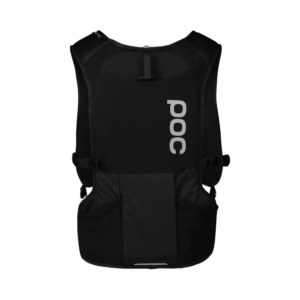
3. Back protectors and chest protectors
Back protectors provide extra protection for the spine and upper body, which is especially important in technical terrain and downhill riding.
- Features: Ergonomic design, breathable construction and light weight.
4. Gloves
Gloves protect your hands from falls, vibration and weather conditions. They're essential for every rider, and their padding improves riding comfort.
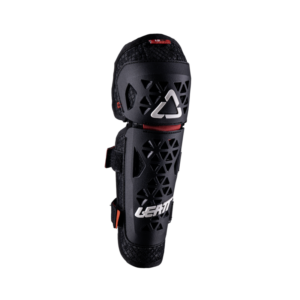
5. Ankle and shin guards
Ankle and shin guards are especially useful in mountain biking and BMX riding, as they protect against impacts and knocks from the bike.
6. Other gear
- Neck protectors: Provide extra protection for the neck and cervical spine on technical terrain.
- Goggles: Protect the eyes from wind, dust and debris, improving visibility in all conditions.
Features and design of protective gear
1. Lightweight and breathable construction
Protective gear is made from lightweight materials that don't add excessive weight. The breathable design ensures the rider stays cool even during intense rides.
2. Ergonomic design
Protective gear is shaped to follow the body's movements, allowing full mobility without restrictions. This makes it comfortable to wear even during long rides.
3. Impact resistance and cushioning
High-quality protective gear features impact-absorbing materials such as EVA foam, D3O technology or hard outer shells that protect the body effectively.
4. Adjustability and fit
Adjustable straps and elastic materials ensure the protective gear fits snugly and stays in place while riding.
Maintenance and lifetime
Protective gear should be maintained regularly to preserve its protective properties:
- Clean after use: Wipe off dirt and dust with a damp cloth and let it air dry.
- Check for damage: If the protective gear has taken a strong impact, it should be replaced with new gear, even if no external damage is visible.
- Store correctly: Store protective gear in a dry, cool place, away from direct sunlight.
Summary
Protective gear is essential for cyclists who value safety and want to reduce the risk of injury. Whether it's mountain biking, road cycling or city cycling, the right protective gear provides protection, comfort and peace of mind. Choose your protective gear according to your riding style and needs, and enjoy cycling safely in all conditions.