
 This product has multiple variants. The options may be chosen on the product page
-
−35 %
This product has multiple variants. The options may be chosen on the product page
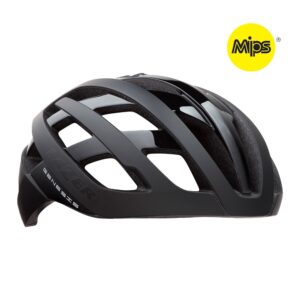
Lazer Lazer Kypärä Genesis MIPS musta Original price was: 249,99 €.162,50 €Current price is: 162,50 €. Available
-
This product has multiple variants. The options may be chosen on the product page
-
This product has multiple variants. The options may be chosen on the product page
-
This product has multiple variants. The options may be chosen on the product page
-
−20 %
This product has multiple variants. The options may be chosen on the product page
Poc POC Crane MIPS Matt White Original price was: 99,00 €.79,00 €Current price is: 79,00 €. Available
-
−30 %Poc POC Ventral Air MIPS Hydrogen White Original price was: 259,00 €.181,30 €Current price is: 181,30 €. Osamaksu alk. 60,33 €/kk Sold out
-
−30 %
This product has multiple variants. The options may be chosen on the product page
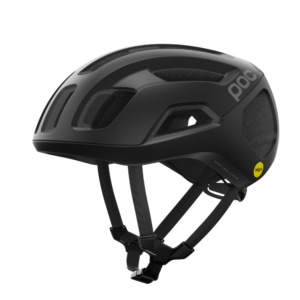
Poc POC Ventral Air MIPS Uranium Black Matt Original price was: 259,00 €.181,30 €Current price is: 181,30 €. Osamaksu alk. 60,33 €/kk Available
-
This product has multiple variants. The options may be chosen on the product page
-
This product has multiple variants. The options may be chosen on the product page
-
This product has multiple variants. The options may be chosen on the product page
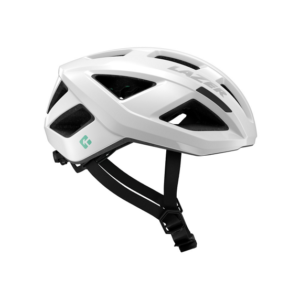
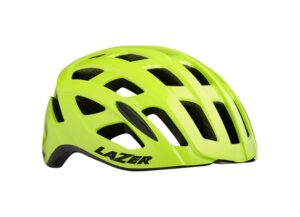
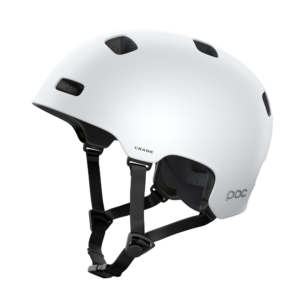
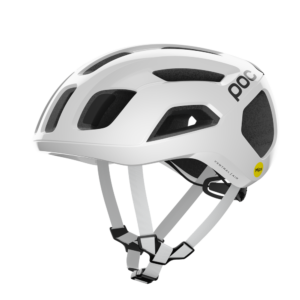
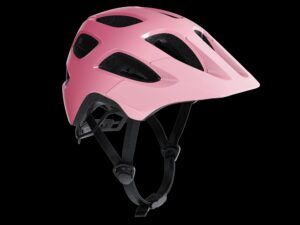
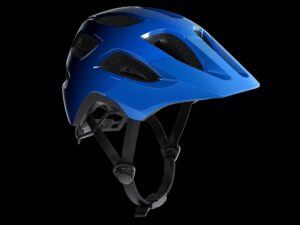
Kypärät – Pyöräilijän tärkein turvallisuusvaruste
Pyöräilykypärä on välttämätön varuste jokaiselle pyöräilijälle, olipa kyseessä arkinen kaupunkiajo, maantiepyöräily tai vaativa maastoajo. Kypärä suojaa päätä iskuilta ja vähentää merkittävästi vakavien vammojen riskiä onnettomuustilanteessa. Sen käyttö on yksi yksinkertaisimmista ja tehokkaimmista tavoista parantaa pyöräilyn turvallisuutta.
Kypärän käyttö voi vähentää päävammaan liittyvien riskien todennäköisyyttä jopa 70 %, mikä tekee siitä olennaisen suojan kaiken tasoisille pyöräilijöille. Laadukas kypärä ei ainoastaan suojaa, vaan parantaa ajomukavuutta keveytensä ja hengittävyytensä ansiosta.
Miksi kypärä on välttämätön?
Pyöräilyonnettomuudet voivat tapahtua yllättäen ja milloin tahansa. Kaatuminen, törmäys toiseen ajoneuvoon tai esteeseen voi johtaa vakaviin päävammoihin, jotka voidaan usein estää oikeanlaisella kypärällä.
Kypärän keskeiset hyödyt:
- Suoja päävammoja vastaan – Vähentää suoran iskun voimaa ja jakaa paineen laajemmalle alueelle.
- Mukavuus ja hengittävyys – Nykyajan kypärät ovat kevyitä ja varustettu tehokkaalla ilmanvaihdolla, mikä tekee niistä miellyttäviä käyttää myös pitkään.
- Näkyvyys ja lisäominaisuudet – Monissa kypärissä on heijastavia elementtejä ja mahdollisuus lisävalojen kiinnittämiseen, mikä parantaa näkyvyyttä pimeässä.
Kypärätyypit ja käyttökohteet
1. Maantiekypärät
- Features: Aerodynaamiset, kevyet ja hyvin tuuletetut. Maantiekypärät on suunniteltu tarjoamaan maksimaalinen suoja ja mukavuus pitkillä matkoilla ja kovilla nopeuksilla.
- Uses: Road cycling, triathlon.
- Benefits: Maksimaalinen hengittävyys ja keveys.
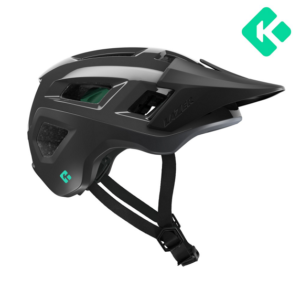
2. Maastopyöräilykypärät (MTB-kypärät)
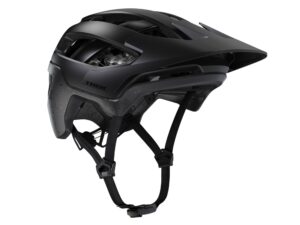
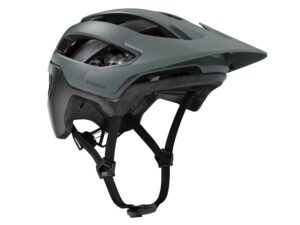
- Features: Suurempi peittävyys ja vahvempi rakenne, erityisesti takaraivon ja ohimoiden kohdalla. Monet maastopyöräilykypärät sisältävät visiirin, joka suojaa auringolta ja oksilta.
- Uses: Mountain biking, enduro, downhill.
- Benefits: Laajempi suoja ja tukeva rakenne vaativaan maastoajoon.
3. Kaupunkikypärät
- Features: Tyylikkäät ja minimalistiset, suunniteltu erityisesti työmatkapyöräilyyn ja kaupunkiajoon. Usein varustettu heijastimilla ja integroituilla valoilla näkyvyyden parantamiseksi.
- Uses: City cycling, commuting cycling.
- Benefits: Yksinkertainen ja mukava, tarjoaa perussuojan arkikäyttöön.
4. BMX- ja skeittityyliset kypärät
- Features: Kestävä ja kokonaan pään ympärille ulottuva muotoilu. BMX-kypärät ovat usein painavampia, mutta tarjoavat erinomaisen suojan temppupyöräilyyn ja teknisiin reitteihin.
- Uses: BMX, temppupyöräily ja skeittaus.
- Benefits: Maksimaalinen suoja iskuille ja kolhuille.
5. Enduro- ja alamäkikypärät (Full-face-kypärät)
- Features: Koko pään ja leukarangan suojaava muotoilu, muistuttaa moottoripyöräkypärää. Suunniteltu erittäin vaativiin ja teknisiin maastoihin.
- Uses: Downhill, enduro, tekniset alamäet.
- Benefits: Paras mahdollinen suoja maastopyöräilyyn.
Kypärän huolto ja käyttöikä
Kypärän säännöllinen tarkastus ja huolto ovat välttämättömiä sen toimivuuden varmistamiseksi. Kypärä kannattaa vaihtaa uuteen vähintään 3–5 vuoden välein, sillä materiaalit voivat heikentyä ajan ja auringonvalon vaikutuksesta.
Huomioi seuraavat asiat kypärän huollossa:
- Puhdista kypärä säännöllisesti – Käytä mietoa saippuavettä ja vältä voimakkaita kemikaaleja, jotka voivat vaurioittaa kypärän pintaa.
- Säilytä kypärä oikein – Vältä jättämästä kypärää suoraan auringonvaloon pitkäksi aikaa.
- Tarkista mahdolliset vauriot – Kypärä on vaihdettava, jos se saa kovan iskun tai jos sen pinnassa on halkeamia.
Summary
Kypärä on pyöräilyn tärkein turvallisuusvaruste, ja sen merkitystä ei voi korostaa liikaa. Oikean kypärän valinta ja säännöllinen huolto varmistavat, että olet suojassa kaikissa ajotilanteissa. Investoimalla laadukkaaseen ja oikein istuvaan kypärään parannat pyöräilyn turvallisuutta ja mukavuutta, mikä tekee jokaisesta ajokerrasta miellyttävämmän ja turvallisemman.