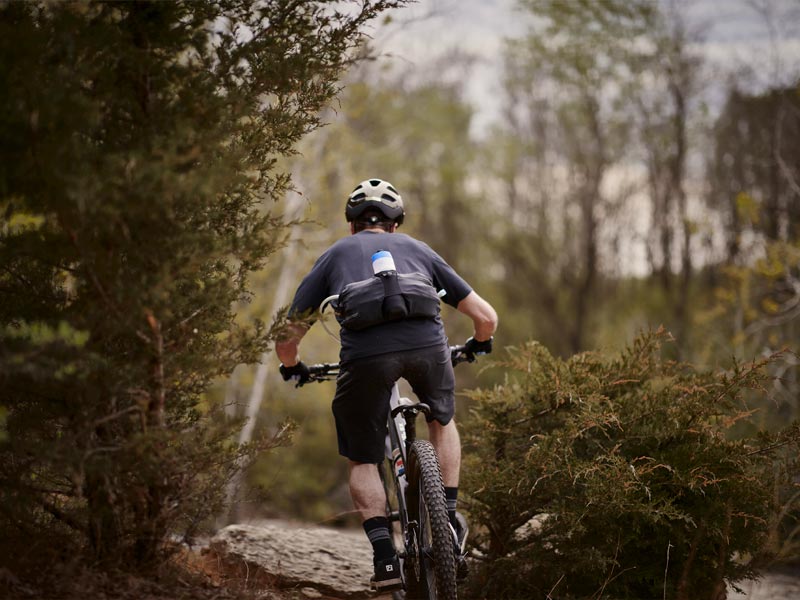
Gravel cycling is a versatile form of cycling that combines the best of road cycling and mountain biking. Gravel bike is designed to be driven on both asphalt and light terrain, such as gravel roads and trails. This sport is ideal for beginners because of its forgiving nature. Gravel cycling offers the freedom to explore different routes without strict restrictions.
What does gravel cycling actually mean and where did it come from?
Gravel cycling refers to cycling that takes place mainly on gravel roads, dirt roads and light off-road tracks. The sport developed in the United States in the 2000s as cyclists sought to escape busy traffic and find new routes. Gravel cycling is different from other types of cycling its versatility - it does not require specialised skills like mountain biking and is not as performance-oriented as road cycling.
The sport grew rapidly in popularity because it offered a solution for cyclists who needed something between road and mountain biking. Gravel cycling was born out of the need to combine adventure, fitness and practicality in a single package. Today, gravel cycling is one of the fastest growing cycling disciplines worldwide. Explore VMSport's gravel bikes and find your perfect adventure partner for your own cycling trips.
How does a gravel bike differ from a normal road bike and a mountain bike?
The Gravel bike combines the performance of a road bike with the durability of a mountain bike. The tyres are wider than a road bike (32-50 mm), but narrower than a mountain bike. The geometry is more relaxed than that of a road bike, providing a more comfortable riding position over long distances. The frame is reinforced to withstand rougher surfaces.
Compared to a road bike, a gravel bike has:
- Wider tyres for better grip
- More relaxed geometry for greater comfort
- Stronger frame to withstand rougher surfaces
- Frequent attachment points for bags and fenders
Compared to a mountain bike, a gravel bike is lighter and more efficient on asphalt, but not as suitable for demanding terrain. There is no or minimal suspension, which makes the bike easier to maintain.
What kind of terrain is safe to ride a gravel bike on?
Gravel bike is ideal for on gravel roads, sandy roads and light trails. Safe routes include forest roads, agricultural byways, light traffic routes and well-maintained nature trails. The bike can also cope with tarmac and short stretches of grass.
Suitable terrain for gravel cycling:
- Gravel roads and sandy forest roads
- Agricultural byways and field margins
- Light traffic routes and cycle paths
- Well maintained nature trails without large stones
- Sandy roads in coastal areas
Avoid steep, rocky descents, deep mud and technical singletrack. In wet conditions, be especially careful on slippery surfaces. Beginners should start with easier routes and increase the difficulty as they gain experience.
Why is gravel cycling good for beginners?
Gravel cycling is forgiving and easy to start, because it does not require special techniques or extreme fitness. The wide tyres and relaxed geometry make for a stable and comfortable ride. You can choose routes according to your skill level, and the consequences of mistakes are less severe than in technical mountain biking.
The benefits of gravel cycling for beginners:
- No specialised knowledge or technical skills required
- A wide range of trail options for different skill levels
- Comfortable driving position reduces stress
- Less traffic than road cycling
- Often lower start-up costs than mountain biking
Compared to road cycling, gravel cycling offers more variety and less stress from traffic. Compared to mountain biking, it is safer and requires less technical knowledge. Beginners can concentrate on enjoying nature and exercise rather than having to learn complex riding techniques. See VMSport's range of beginner-friendly gravel bikes and start your own gravel adventure today!
What equipment and accessories are needed for gravel cycling?
Basic equipment for gravel cycling are a cycling helmet, a weatherproof jacket, cycling gloves and comfortable clothes. It's a good idea to bring a water bottle, a small repair kit and possibly a bag for your belongings. For safety, lights are important, even if you're riding during the day.
The basic equipment you need:
- Approved cycling helmet
- Repair kit (inner tube, patch kit, pump)
- Drinking bottle or drink cage
- Cycling gloves to improve grip
- Lights to ensure visibility
Useful accessories include rain gear, an extra inner tube, energy bars for long hikes and a GPS device or smartphone for tracking routes. Budget-wise, it's a good idea to start with basic equipment and add more as you gain experience. We can give you expert advice on choosing the right equipment for your needs.
Gravel cycling offers a unique combination of adventure, exercise and freedom. It is suitable for beginners and experienced cyclists alike, who want to discover new routes and enjoy the great outdoors. Getting started is easy with the right equipment and basic advice, so there's nothing to stop you from exploring this growing sport. Visit the VMSport cycling department and let the experts help you find the perfect gravel bike for your needs!