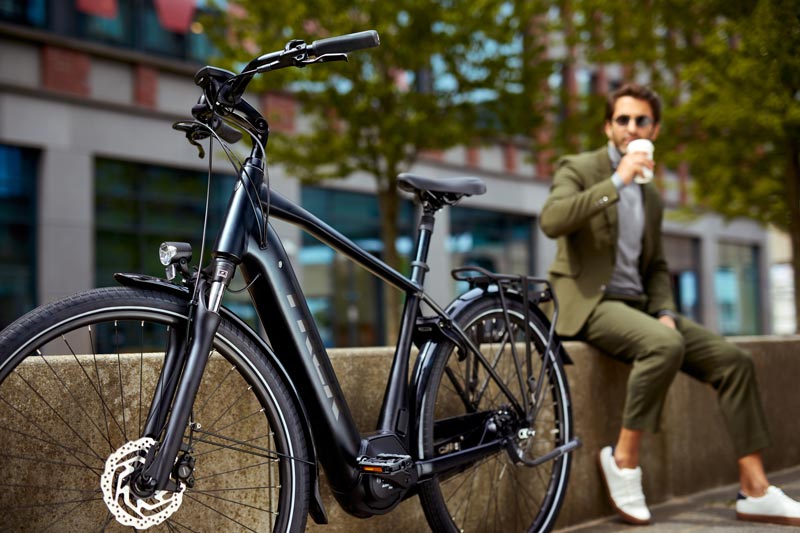
An electric bike can feel heavy to pedal without electric assistance, as it typically weighs 5-15 kilos more than a normal bike. The battery and motor add significant weight, which is particularly noticeable on uphill and acceleration sections. With electric assistance, this extra weight is not a problem, but pedalling without assistance requires more effort. However, with the right adjustments and maintenance, the electric bike is much easier to use. If you're looking for a quality e-bike designed for optimum pedalling comfort, check out the VMSport e-bike range.
Why does an electric bike feel heavy to pedal without assistance?
An electric bike feels heavy to pedal without electric assistance, because battery and motor add considerable weight to the bike compared to a normal bicycle. A lithium-ion battery typically weighs 2-4 kilos and an electric motor 3-5 kilos, which means a total additional weight of 5-9 kilos from the electric components alone.
The distribution of weight also affects the pedal stroke. When the battery is located at the bottom of the frame and the engine in the middle or rear wheel, the bike change of focus and the bike feels slower to accelerate. Especially when pedalling uphill, this extra weight makes pedalling much harder.
An electric mountain bike is often even heavier than an urban electric bike, because it needs a stronger frame and components to withstand off-road conditions. Stronger brakes, suspension and tyres further increase the overall weight.
How much does an electric bike weigh compared to a normal bike?
A typical city bike weighs around 12-18 kilograms, while an electric city bike typically weighs around 20-25 kilos. An electric mountain bike can weigh up to 25-30 kilos, as it needs a stronger frame and components.
The weight difference is distributed as follows:
- Battery: 2-4 kg depending on capacity
- Motor: 3-5 kilos depending on location
- Stronger frame: 1-2 kg more
- Electrical system and cables: 0.5-1 kg
Gravel electric bikes are somewhere between city and mountain bikes in terms of weight, usually weighing between 18 and 23 kilos. They combine lightness and versatility, but are still considerably heavier than conventional bikes.
The size of the battery has a significant impact on the overall weight. A larger battery means a longer operating range, but also a longer battery life. extra weight on the wheel. A 500 Wh battery weighs about a kilo more than a 400 Wh battery. From the VMSport electric bike range you will find bikes in different weight classes and battery capacities.
When is an electric bike easiest to pedal?
An electric bike is the easiest to pedal when electrical assistance is available and the battery is well charged. The optimal riding style combines pedalling and electric assistance efficiently, so you don't feel the extra weight of the bike at all.
The best conditions for using an electric bike:
- Flat or gently sloping uphill, with an electric assist to compensate for the extra weight
- City driving with traffic lights, where electric assistance helps with acceleration
- Headwind, with the engine providing additional power
- Long journeys where electric assistance reduces fatigue
The battery charge level has a direct impact on driving comfort. When the battery is more than 50% charged, the electric assist will operate at full power. When the battery runs out, the e-bike becomes heavy to pedal because you have to move everything around. extra weight by your own efforts.
Choosing the right gear is also important on an electric bike. A light gear with electric assistance makes pedalling very comfortable and efficient.
How can you make it easier to pedal an electric bike?
Pedalling an electric bike can be made significantly lighter with the right regulations and maintenance. Optimising your seating position, correct tyre pressure and chain maintenance will reduce resistance and make pedalling easier.
Practical tips for pedalling lighter:
Technical adjustments
- Check tyre pressure regularly - low pressure increases resistance
- Service the chain and gears regularly to ensure smooth operation
- Adjust the sitting position for ergonomic and efficient use of power
- Use the right gear ratio for the situation
Optimising electrical assistance
Adjust the level of electrical assistance according to the situation. Start with a lower level of assistance on flat terrain and increase the power uphill. This saves battery power and makes for a more balanced ride.
Improving your driving technique will also help. A smooth, rotary pedalling style makes more effective use of electric assistance than jerky pedalling. Try to keep the pedalling frequency high with light power.
Regular maintenance keeps your e-bike light to pedal. We lubricate the chain, check the brakes and make sure all components are working properly. A well-maintained bike will always ride lighter than an unmaintained one. If you need professional advice on choosing or servicing your electric bike, contact the VMSport experts.