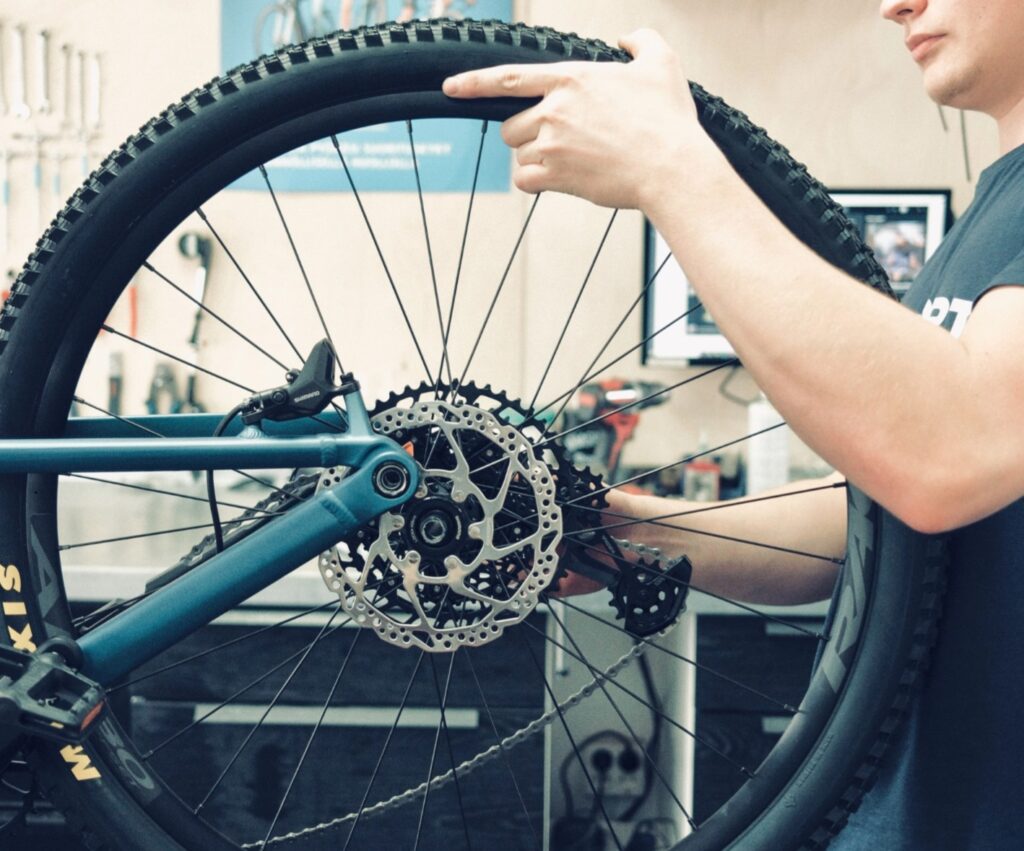
Airing your bike's brakes is a necessary maintenance procedure that removes air bubbles from the brake fluid and restores the brakes to their efficient operation. Air bubbles reduce braking performance and can cause hazardous situations. Bleeding is performed by pushing brake fluid out of the system through the bleeder screws until only clean fluid comes out without bubbling.
When do bike brakes need air?
Your bike's brakes need air when the brake feel becomes soft, the stopping distance becomes longer or the brakes do not apply effectively. These symptoms indicate air entering the brake fluid, which significantly reduces braking performance.
Typical signs that brakes need air are soft brake feel, where the brake lever or pedal is pushed too far down before the brakes bite. The braking interval can become much longer, and in the worst case the brakes will not bite at all with normal force.
Also listen to the sound of the brakes during use. Air bubbles can cause bubbling or hissing noises when braking. A loss of braking power is always a serious safety hazard that requires immediate action.
Preventive maintenance is important to ensure that your brakes work properly. Brake fluid should be changed according to the manufacturer's recommendations, usually every 1-2 years. Regular inspection will help to detect problems before they become dangerous.
What tools are needed to air the brakes?
For brake bleeding, you will need a bleeding hose, a transparent hose, the right brake fluid, suitable Allen keys and protective equipment. Quality tools make the job safer and more efficient.
Air syringe is the main tool that allows controlled fluid removal from the system. Choose a syringe with sufficient volume and good grip. A transparent hose is attached to the air screw and the syringe so that you can see the flow of liquid and any air bubbles.
The brake fluid must be selected according to the instructions of the wheel manufacturer. The most common types are DOT 3, DOT 4 and DOT 5.1. Systems using mineral oil require their own type of fluid.
Hexagon wrenches are necessary to open the air screws. Sizes vary according to the manufacturer, usually between 2.5 and 8 mm. Protective gloves and goggles protect skin and eyes from brake fluid, which can be corrosive.
How to do the brakes step by step?
Brake inflation is started by filling the brake fluid reservoir and attaching the inflation hose to the inflation screw. The process proceeds by pumping fluid out through the brakes until all air bubbles are removed from the system.
Prepare the bike in a safe position and make sure you have easy access to both the brake reservoir and the air screw. Fill the brake fluid reservoir filled with the right kind of liquid before you start.
Attach the transparent hose to the air screw and the other end to the air syringe. Open the air screw about half a turn and start drawing the liquid through the syringe. Always keep the tank full during the process to prevent additional air from entering the system.
Continue pumping until there are no more air bubbles in the liquid and the liquid flows evenly. Close the air screw before disconnecting the hose to prevent air from flowing back. Repeat the process as necessary until the brake feel is firm and effective.
Key safety tips: never allow the tank to empty, always wear protective equipment and test the brakes carefully before driving. The most common mistake is to empty the tank mid-process.
When is it best to leave the brakes to a professional?
If you have insufficient experience, a complex braking system or serious problems, it is advisable to leave it to a professional. Safety always comes first when servicing your brakes.
Complex braking systems, such as ABS or integrated brakes, require special tools and expertise. Incorrect handling of these systems can cause costly damage or safety risks.
If the brake fluid is rich in dirt, water or metal particles, the problem may be deeper than just air. Serious leaks, cracks in brake hoses or worn brake pads require professional assessment.
Lack of experience can lead to dangerous situations. A professional has the right tools, the necessary experience and the ability to test the brakes safely. The cost of maintenance is low compared to the risk of an accident or damage to expensive components.
We provide expert brake service from skilled mechanics. We offer flexible service scheduling and ensure the safe operation of your bike in all conditions.