For some, choosing a new bike is easy - they've scoured the internet and industry publications and know exactly the model they want. For many, however, wading through bike models and cycling terminology can feel confusing. This simplified guide is intended to help you make your decision and to help you ask yourself the questions that will guide you in choosing the most suitable model. The issues discussed in this article also apply to some extent to the choice of an electric bike, but the characteristics that influence the choice of an electric bike will be discussed in more detail in a separate article.
What are you buying a bike for?
Even if we are getting close, there is still no bike model on the market that can do everything perfectly. Perhaps you want to ride to work, take your family for a picnic in a nearby park, or maybe you want to join a local cycling club for a road race? Do you ride on tarmac, dirt roads or even dirt tracks? Different types of bikes can cope with varying conditions, but your main purpose should guide your choice.

Crystal ball out
Try to think six months or even a year ahead. What kind of cyclist do you expect to be in the future? The great thing about cycling is that you get hungrier as you eat, and as you get fitter and more skilled, you get more enthusiastic about riding. If you're buying a hobby bike, it's worth investing a little more at a time, if possible. Hybrid bikes can also be used for long, fast rides, but there are models that are better suited to that purpose. Even if it may seem like a pain at the time of purchase, buying a more expensive bike at once is ultimately cheaper than buying a cheaper bike at first and then a more expensive bike later. Especially on the cheapest mountain bikes, the features may run out as your riding skills improve and your speed increases.
Budgeting
It is seemingly easy to compare bicycle prices online. If you compare only the components installed on the bike (gears, rims, brakes, etc.), you may find that there is a big difference in price between brands and models. Remember, however, that you are buying a complete bicycle, not just a rear derailleur, for example. Upgrading certain parts to better ones at the end of the original is also reasonably cheap, so don't stare too much at them.

The frame materials used in good bikes are of high quality and considerable effort has been put into the design of the whole and the riding experience. We always recommend a test ride, as even a short test session will give you a pretty good feel for the bike's riding position, sensitivity and performance. So a bike is more than the sum of its parts - trusted bike brands and their dealers stand behind their products even when things go wrong. Bicycle prices vary so much depending on the type and model of bike that it is almost impossible to make a general guideline on price. You always get something extra with an extra investment, it's up to you to decide if the benefit of the extra investment is worth the price.
Types of bikes
Once you have agreed with yourself on the preferred use of your bike, read below for descriptions and characteristics of the different types of bikes. Weigh up which features weigh most heavily on your scales, compare models, test ride and ask us for more information if you need it.
Road bikes

Some people still have the misconception that road bikes are uncomfortable, fiddly racing bikes that hurt their backs. Fortunately, today's road bikes are far from this image. Road bikes are still light, fast and efficient sports bikes. However, their comfort has improved substantially over the years, thanks to frame materials, wider tyres and various solutions to improve vibration absorption. The handlebars of the road bike allow for a variety of grips and changes in riding position during a ride. A properly sized road bike is comfortable even on rides lasting several hours. If you plan to ride long rides on tarmac, a road bike is still the unmissable choice. The road bike category also includes models with different weighting.
Hybrids

Hybrid bikes are a popular choice because of their versatility and are widely available. The range of hybrid bikes includes versions with different emphases: off-road models with a suspension fork, sport hybrids that are close to a road bike, and fully equipped urban models. As an all-wheel-drive vehicle, the hybrid works brilliantly. It's not afraid of long stretches of tarmac and you can even ride it on dirt roads. The riding position of hybrid bikes is usually a good combination of efficient progress and comfort. This type of bike is also generally designed with everyday use in mind. Some models come with all the equipment and even the more stripped-down versions have mounting points for the necessary accessories. External gear hybrids are light to drive and are available in almost every price range.
Mountain bikes
If you want to be active on the trails, a mountain bike is the right choice. Even if it's not optimal for urban use, with the right mountain bike you can also ride everyday in reasonable comfort. Just choose a model with sufficiently rolling tyres and the option of fitting the equipment you want. The mountain bike range includes several subcategories with different features. Below is a general list of the different types of mountain bikes.
Cross country (XC)
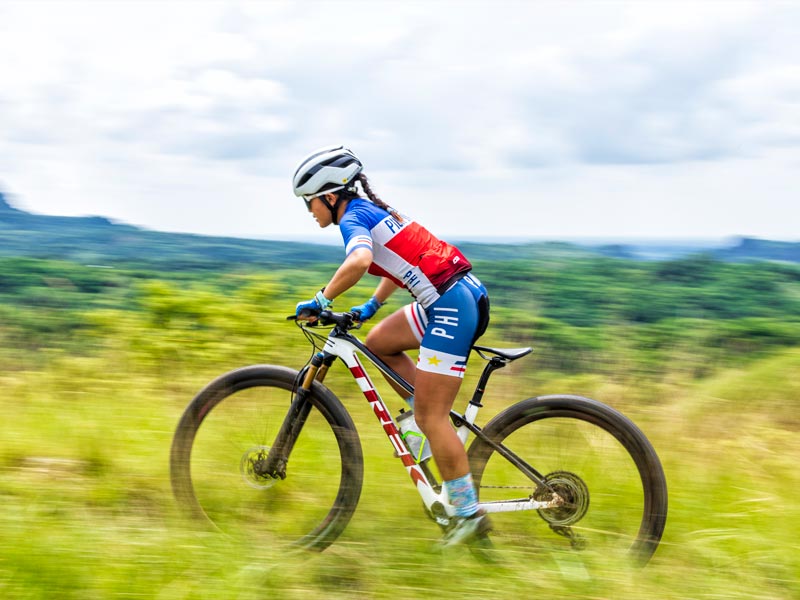
A large part of the collection falls into this category. XC bikes can be either front suspension or full suspension. This type of bike is characterised by rolling, low-button tyres (27.5” or 29”) and a suspension travel of around 100 mm. XC mountain bikes are powerful forwarders and excel at fast off-road riding on relatively easy terrain. XC mountain bikes come in a wide price range.
Trail bikes
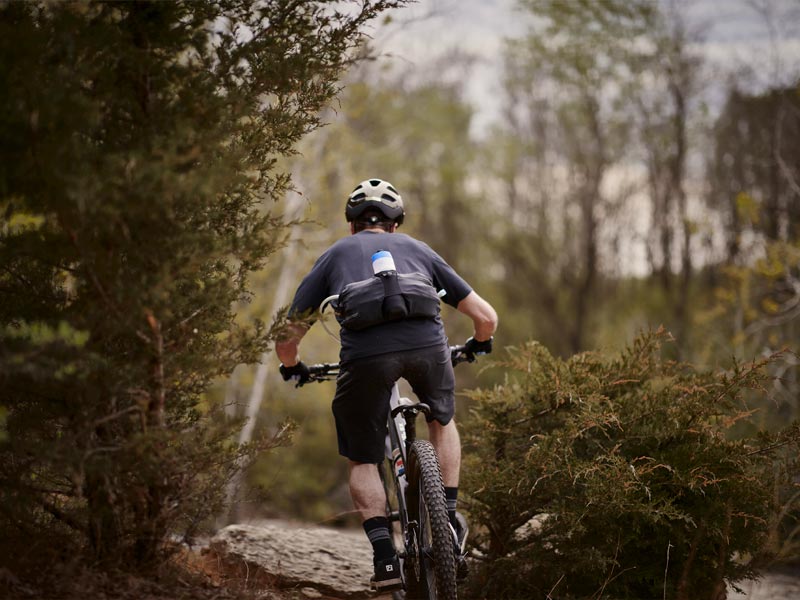
Trail mountain bikes are popular because of their versatility. A good trail bike is easy to handle, climbs efficiently and inspires confidence on technical terrain. Like XC mountain bikes, trail bikes come in both front suspension and full suspension versions. Tyres can be 27.5”, 27.5+ or 29”. In terms of travel, the wheels are usually between 120 and 150 mm.
Enduro

There's nothing stopping you from riding an enduro bike for a basic off-road ride, but they're designed to excel on technical downhill sections. In most enduro races, the climbing is done with a lift, so there's not as much emphasis on uphill performance as on trail bikes, for example. Enduro bikes with 150-180 mm of travel usually have a long, low frame geometry, a gentle steering angle and 2.4-2.5” wide 29" tyres. Most models are full-suspension.
Downhill
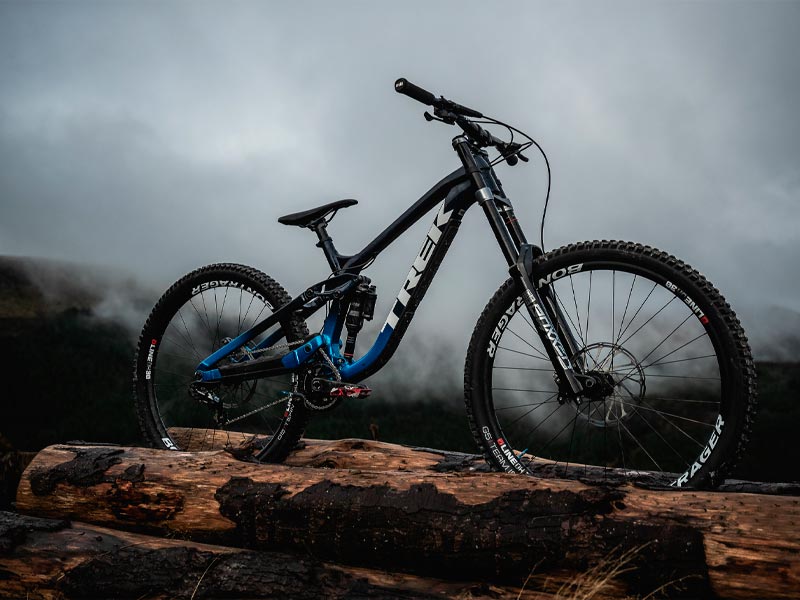
Downhill bikes are designed with one goal in mind - to get down from the top as quickly as possible. Due to the frame geometry, riding position and flex distances, it is difficult to recommend a downhill bike for anything other than lift cycling. But with a proper DH bike, it's so much fun you won't want to stop!
Fatbike
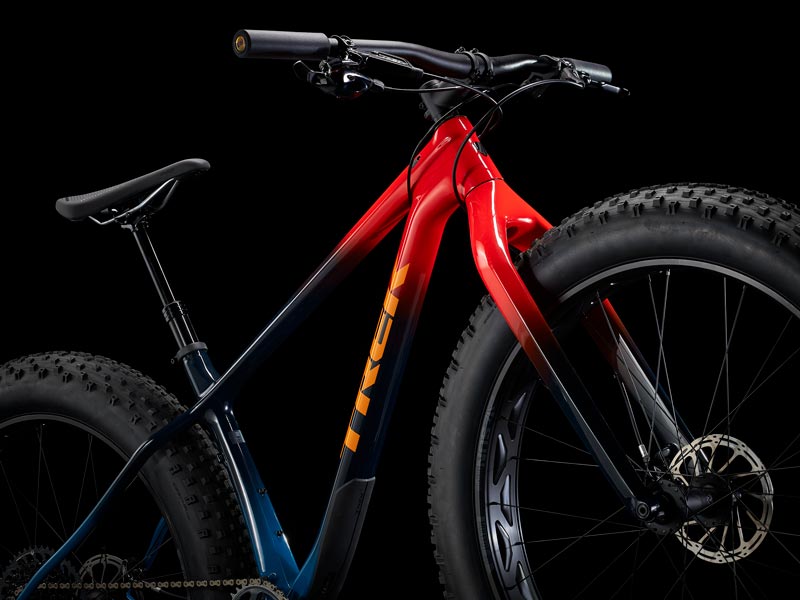
Although the biggest boom in fat bikes is over, in some markets they are here to stay. Fatbikes are suitable for even the most difficult terrain thanks to their large tyre size. It's also an absolute must for winter adventures. Because of the large air space in the tyres, separate suspension may not be necessary, but there are also models with suspension. The fatbike is suitable for enjoying the great outdoors and thanks to its high horsepower, it keeps up with the terrain remarkably well. On the other hand, the wide tyres also make it possible to roar through the woods at low speeds.
City bikes
City bikes are characterised by their ease of use (and purchase). Many of them are already equipped with all the features you need for everyday use, such as a lock, mudguards, luggage rack and stand. Many city bikes have an easy-to-use and well-protected hub gearbox. Although not exactly maintenance-free, it requires less maintenance than an external gearbox. The riding position of a city bike is mostly upright, making it easy to observe traffic. Wide tyres and a stable ride make city bikes safer. If you travel moderately and appreciate simple comfort, a city bike could be the right choice for you.
Body size
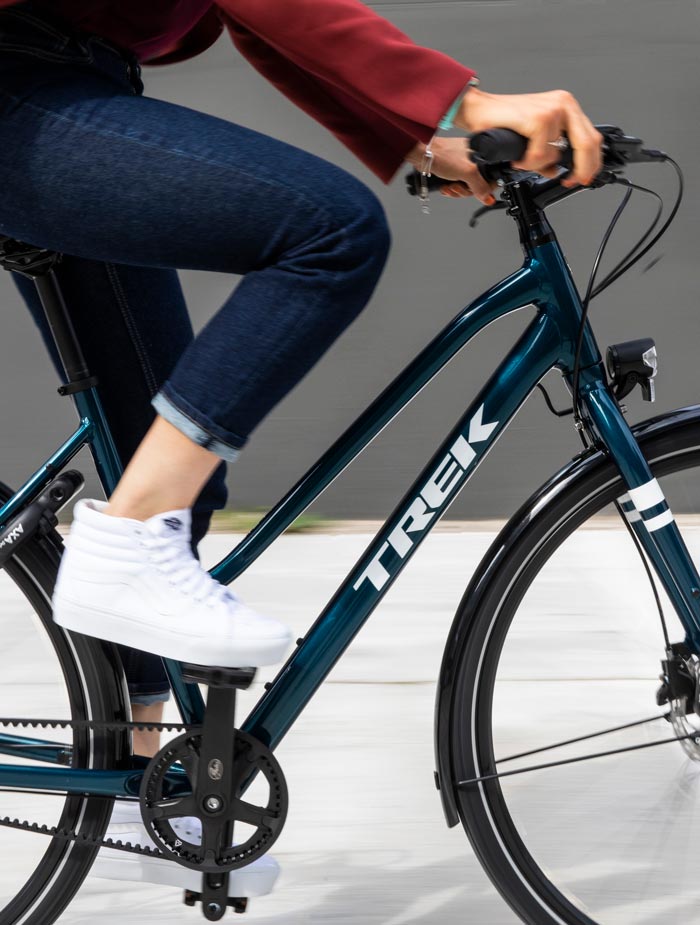
Different bike manufacturers have recommendation tables for choosing the right frame size, but the overall length of the rider alone may not give an optimal result. Limb dimensions, such as the inside leg measurement and the length of the back and arms, will influence the choice of size. And let's not forget body mobility. Any previous injuries may also guide the choice. The type of bike and the rider's goals and preferences also play a role.
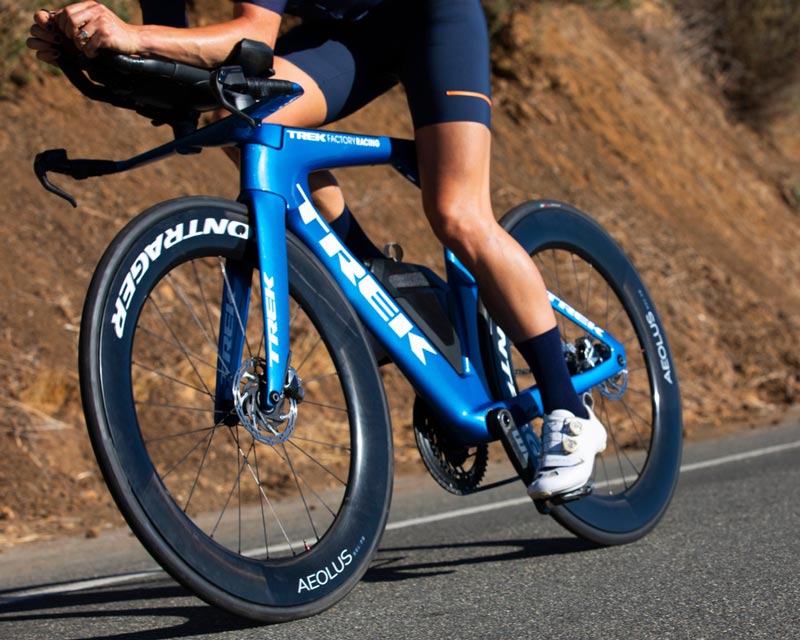
A buyer looking for extreme performance, a super-hot road or triathlon bike, and a cyclist who enjoys jogging may end up with different sizes, even if they are similar in length. The good news is that the dimensions and distances set by the factory are still customisable. For example, changing the handlebar bracket to a different length or with a different angle can be a perfectly adequate change. If at all possible, rely on us to help you choose the right size. We will guide you to the saddle that fits best and will be happy to make the necessary fine adjustments and changes.
Equipment
When considering the amount of money available and the possible choice of bike, it's worth bearing in mind that you may need certain accessories to get the best possible riding experience. Urban bike models are often fully equipped, so they don't need much in the way of equipment, apart from a helmet and possibly an extra lock. Below is a short checklist of the most common equipment by bike type. Your intended use will determine the final equipment and you can always add more later. Riding gear has been deliberately left off the list, but for example, padded cycling shorts and well-fitting gloves are a must, whatever the type of bike. Cleaning and lubrication products for bike maintenance are also always useful purchases. Lights are also a must when riding in the dark, wherever you ride.
Equipment for mountain bike
- Helmet
- Pedals (lock or open)
- Shoes (loafers or driving shoes optimised for flat pedals)
- Pump (take a mini pump, take a foot pump home)
- Mini tool + ring moulds
- Spare tyre (or alternatively tubeless seats)
- A rucksack (in addition to water, you can also carry tools and rainwear, for example)
- Shock pump (if air adjustable suspension)
Equipment for a road bike
- Helmet
- Cycling glasses
- Locking pedals and driving shoes
- Bottle rack(s) + drinks bottles
- Spare tyre
- Pump or CO2 inflator (mini pump to take jogging + foot pump to take home)
- Mini tool + ring tools
- Saddlebag (for tools and house keys, for example)
- Ride computer (or bike sensor for an existing sports watch)


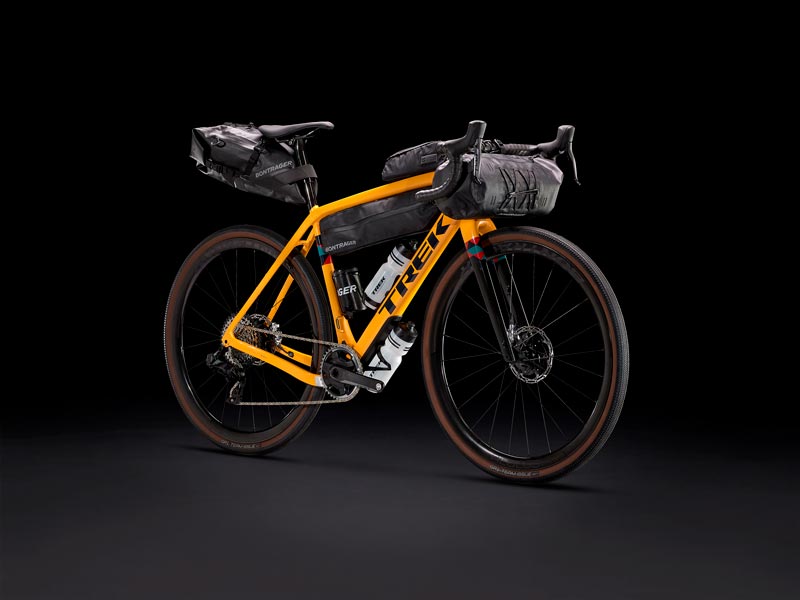
Equipment for the gravel bike
- Helmet
- Cycling glasses
- Locking pedals and driving shoes
- Bottle rack(s) + drinks bottles
- Spare tyre (or tubeless pitches)
- Pump or CO2 inflator (mini pump to take jogging + foot pump to take home)
- Mini tool + ring tools
- Saddlebag (for tools and house keys, for example)
- Ride computer (or bike sensor for an existing sports watch)
- Mudguards
- Luggage rack + bags (if used for touring or everyday use)
- Horizontal tube bag (for example for energy gels)
Equipment for a hybrid bike (sport use)
- Helmet
- Cycling glasses
- Locking pedals + cycling shoes
- Driving computer
- Bottle holder + drinks bottle
- Lightweight mudguards
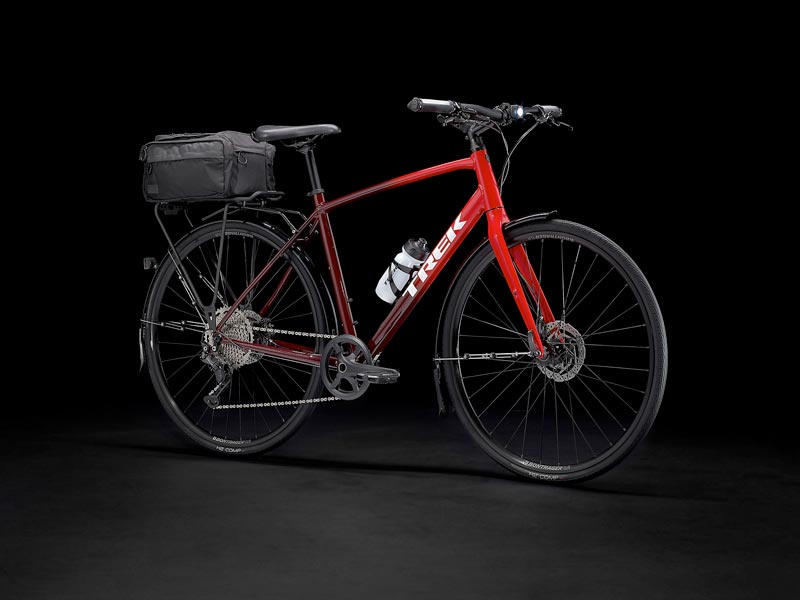
Equipment for a hybrid bike (everyday use)
- Helmet
- Mudguards
- Luggage rack
- Bag / Bags
- Lock
- Standstill aid
We hope the guide gave you some food for thought for your next bike purchase. Remember, you can always come and visit us, call or email us. Together we are sure to get the best result!