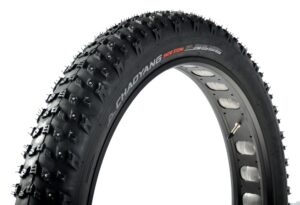
Wheel tyres - the cornerstone of performance and ride comfort
Wheel tyres are one of the most important and often underestimated components, even though they directly affect the handling, ride comfort and performance of the bike. Choosing the right tyres can significantly improve the riding experience, reduce rolling resistance, increase grip and make cycling safer and more enjoyable.
Specific tyre designs have been developed for different types of bikes, optimised for specific driving conditions. Whether it's high-speed road riding, technical mountain biking or casual urban riding, the right tyres give you better control and grip on all surfaces.
Why is tyre choice important?
Tyres are the only point of contact between the wheel and the road surface, so their properties have a direct influence on the following factors:
- Rolling resistance - The lower the rolling resistance, the less energy is needed to pedal, which improves speed and efficiency.
- Maintenance and management - The pattern and width of the tyre affect how well the wheel grips the road, especially on bends and slippery surfaces.
- Cushioning and comfort - Wider tyres and higher air pressure soften shocks, making for a more comfortable ride on uneven surfaces.
- Durability and puncture protection - Especially on city and electric bikes, tyre durability and puncture protection extend tyre life and reduce the risk of tyre blow-outs.
Different types of tyres and their uses
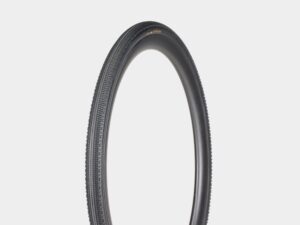
1. Earthing - Speed and efficiency on smooth surfaces
The tyres are designed to offer maximum speed and low rolling resistance on asphalt. They are narrow, lightweight and often almost smooth, minimising friction and maximising driving efficiency.
- Benefits: Light, fast and low rolling resistance.
- Uses: Road cycling, triathlon and long asphalt runs.
- Points to note: Less grip and comfort on uneven surfaces.
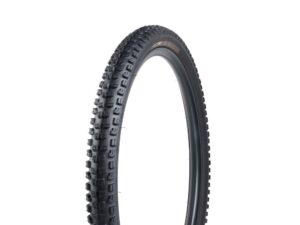
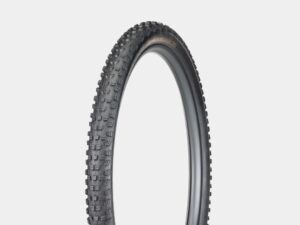
2. Off-road tyres - Traction and durability for demanding conditions
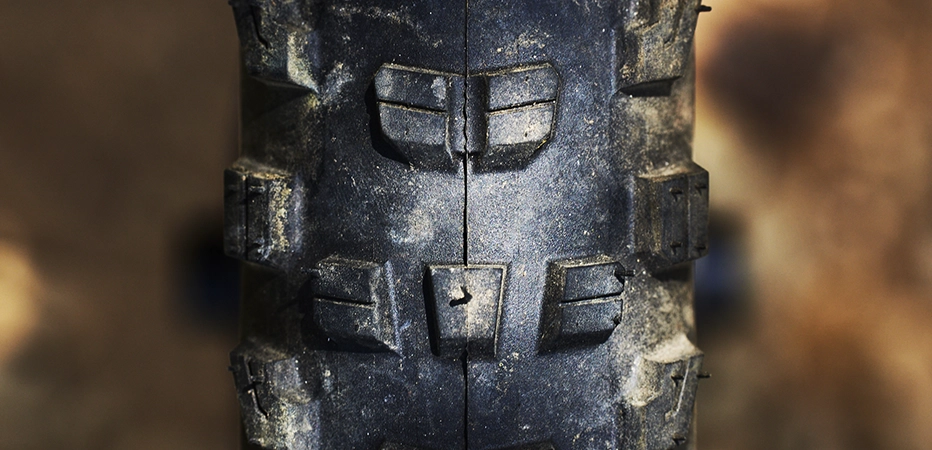
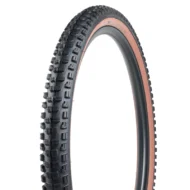
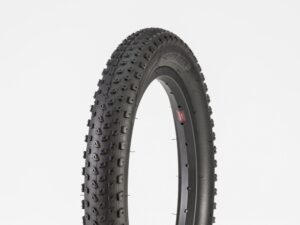
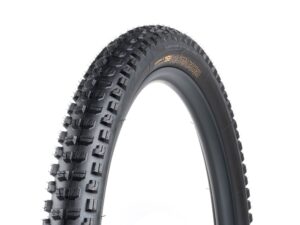
Off-road tyres are wide and have a knobby tread pattern designed to provide maximum grip and control on soft and uneven surfaces, such as forest trails and rocky tracks. They are shock resistant and often made from more durable materials.
- Benefits: Excellent grip and stability in demanding conditions.
- Uses: Mountain biking, enduro, downhill.
- Points to note: Higher rolling resistance on asphalt, which can reduce speed on flat surfaces.
3. Gravel tyres - Versatility for asphalt and gravel roads
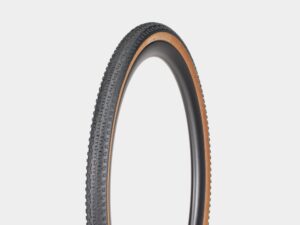
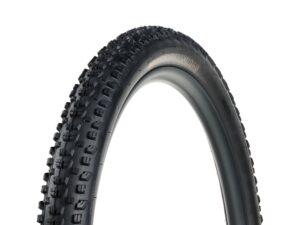
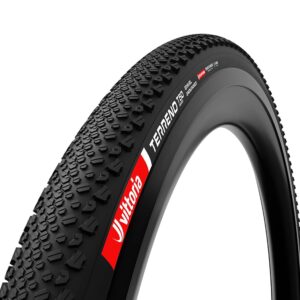
Gravel tyres combine the best of road and off-road tyres. They are wider than road tyres, but lighter and lower profile than off-road tyres. They have a moderate tread pattern, which allows them to roll on asphalt and grip on gravel or dirt roads.
- Benefits: Versatile and comfortable on a wide range of platforms.
- Uses: Gravel cycling, adventure cycling, mixed terrain.
- Points to note: Not as fast as road tyres or as grippy as off-road tyres.
4. E-bike tyres - Durability and stability for higher speeds
The tyres of an electric bike are designed to withstand the higher loads and speeds generated by an electric motor. They are reinforced and often have additional puncture protection to make the tyres last longer and provide a safe riding experience even at high speeds.
- Benefits: Durable, puncture-proof and stable at higher speeds.
- Uses: Electric cycling in urban and off-road environments.
- Points to note: Heavier than normal tyres, which can affect the agility of the bike.
5. City bike tyres - Comfort and durability for everyday use
City bike tyres are designed to withstand a wide range of surfaces, including asphalt, cobblestones and light gravel roads. They are medium-width and often include reflective strips and puncture protection to increase safety and visibility.
- Benefits: Durable, comfortable and carefree.
- Uses: City cycling, commuting and leisure cycling.
- Points to note: Not suitable for technical off-road driving or very fast driving.
Tyre service and maintenance
Regular inspection and maintenance of your tyres will prolong their life and ensure a safe driving experience.
Important maintenance measures:
- Checking the air pressure - The right air pressure reduces rolling resistance and prevents punctures. Check the air pressure regularly and adjust according to the manufacturer's recommendations.
- Inspection of the wear surface - Replace tyres if the tread is worn or there are visible cuts.
- Injection protection - Use puncture-resistant tyres or add a puncture protection strip to the inner tyres.
Choosing the right tyres and keeping them in good condition will ensure that your bike performs optimally and safely on all surfaces.