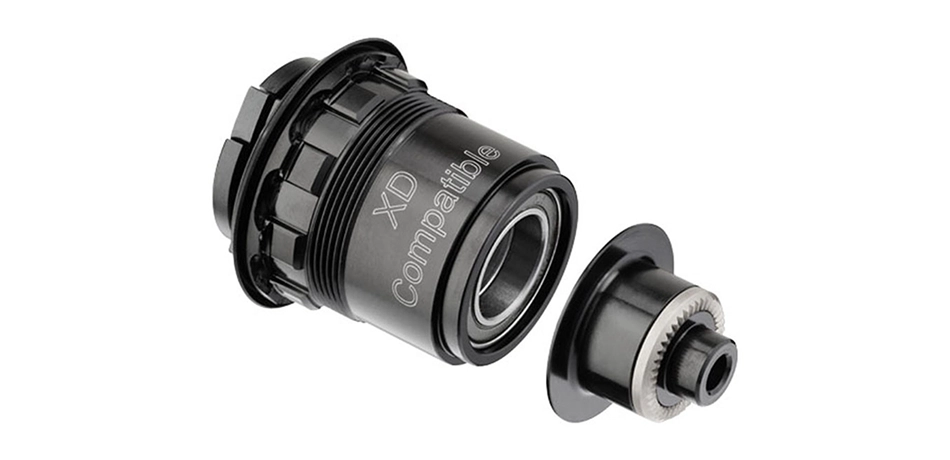
Showing all 9 results
-

Sprocket Spacer (T=2.18mm) CS-R9100
5,00 €In stock (2 available)Supplier stock:Unavailable -

Cartridge body WH-MT66-R12
48,90 €In stock (1 available)Supplier stock:Unavailable -

Bontrager Affinity Comp 12-Speed XDR Driver Body
89,99 €Not available from supplierSupplier stock:Unavailable -

Bontrager Bontrager Approved Mustang Elite 11-Speed XD-Driver body
79,99 €Not available from supplierSupplier stock:Unavailable -
Bontrager Bontrager Rapid Drive 11-speed freewheelbody
109,99 €Not available from supplierSupplier stock:Unavailable -

Cassette holder FH-M475/ 8v
23,90 €In stock (1 available)Supplier stock:Unavailable -

FH-RM35 cassette frame with prika
26,90 €In stock (3 available)Supplier stock:Unavailable -
Free space frame unit FH-TY500
19,90 €Not available from supplierSupplier stock:Unavailable -
Free space frame unit WH-MT500-CL-R12-29
44,90 €Not available from supplierSupplier stock:Unavailable
Freewheels
Free wheels - a key part of the drivetrain. The freewheel is located in the rear hub and allows the rear wheels to rotate freely when you are not pedalling. This mechanism prevents the chain from moving, but allows the pulley to rotate, making your ride smoother and more energy efficient. The freewheel is immediately engaged when you start pedalling, and its quality affects the feel and efficiency of the transmission. Features and functions of freewheel: Construction: incorporates spring-loaded clutch mechanisms (ratchet or pawl system) that allow instantaneous power transfer and freewheeling. Sound and engagement: The sound and engagement speed of the freewheel vary according to the model. More engagement points (e.g. 36 or 54) provide a faster response when pedalling. Compatibility: freewheels vary between different gearing systems (e.g. Shimano, SRAM). Compatibility with the cassette and rear hub is important. Durability: freewheels require regular inspection and lubrication. Dirt and moisture can wear out the clutch mechanisms, reducing their performance. Maintenance and replacement: regular cleaning and lubrication will prolong the life of your freewheel. If the freewheel starts to make an abnormal noise or has a delayed engagement, it may be time to replace the freewheel or upgrade to a more efficient model.