Showing 17–24 of 24 results
-
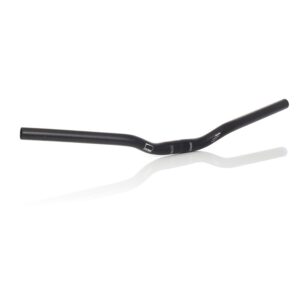
XLC HB-C09 Black 600 mm
19,00 €Not available from supplierSupplier stock:Unavailable -

XLC HB-C09 Black 600 mm
19,23 €Not available from supplierSupplier stock:Unavailable -
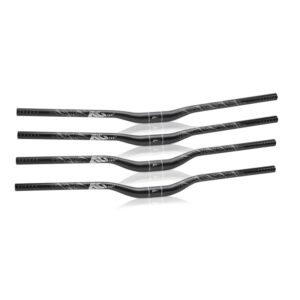
XLC Riser bar HB-M19 780 mm 30mm rise Black/Brilliance
49,00 €Not available from supplierSupplier stock:Unavailable -
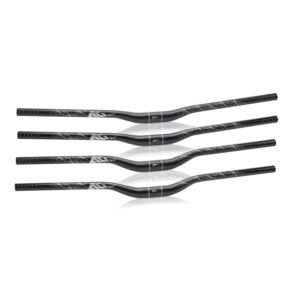
XLC Riser bar HB-M19 780 mm Matt black Back-sweep:9°, Aluminium 2014-T6 DB, Rise:30 mm
59,00 €Not available from supplierSupplier stock:Unavailable -
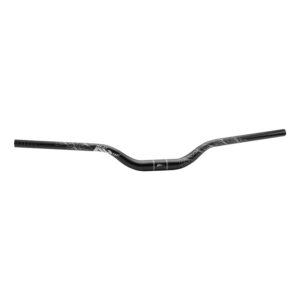
XLC Riser bar HB-M19 780 mm Rise:50 mm 35mm
59,00 €In stock (4 available)Supplier stock:Unavailable -
XLC ST-T14 Black
39,47 €In stock (1 available)Supplier stock:Unavailable -
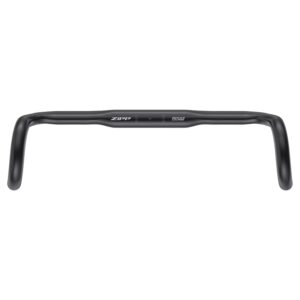
ZIPP Service Course 70 XPLR Blast black 420 mm
72,00 €Not available from supplierSupplier stock:Unavailable -
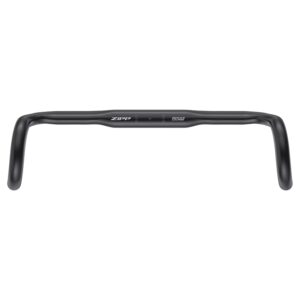
ZIPP Service Course 70 XPLR Blast black 440 mm
72,00 €In stock (1 available)Supplier stock:Unavailable
Handlebars
Handlebars - the basis for control and comfort. The handlebars are a key part of the bike, directly affecting ride comfort, controllability and ergonomics. The right type and position of handlebars depends on the intended use of the bike and the rider's preferences. Types of handlebars: Straight bars: common on off-road and hybrid bikes, they provide controllability and stable steering on technical terrain. Drop bars: used on road and gravel bikes to allow different riding positions and an aerodynamic riding position. Riser bars: raise the riding position, providing better visibility and comfort, especially on off-road bikes. Bullhorn bars: suitable for fast urban riding and time trial bikes, providing an aerodynamic grip. Fly bars: multi-purpose bars for touring bikes, offering multiple grip positions for long distances. Material and features: handlebars are usually made of aluminium for lightness and durability, but carbon fibre offers maximum lightness and vibration damping. The width and bending angle of the bar contribute to controllability and ergonomics. Maintenance and adjustment: correct height and angle reduce strain on hands, shoulders and back. Regular checks ensure the safety of the bar and its attachment.