Showing the single result
-
Sale!
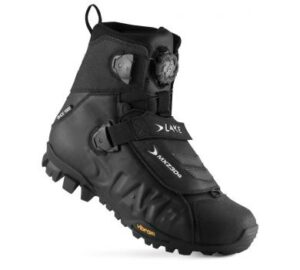
Lake MXZ304-X winter off-road shoe
Original price was: 289,00 €. Price range: 144,50 € through 289,00 €Current price is: 144,50 € – 289,00 €Price range: 144,50 € through 289,00 €.This product has multiple variants. The options may be chosen on the product page
Winter boots
Winter cycling boots - Warmth and protection for challenging conditions
Winter cycling shoes are an essential piece of equipment for cyclists who don't let cold, snow or mud stop them from riding. Ordinary cycling shoes do not provide enough warmth and protection in winter conditions, which can lead to cold or wet feet. Winter cycling shoes are designed to withstand extreme conditions, providing warmth, waterproofing and good grip on slippery surfaces.
The combination of thermally insulated materials, waterproofing and windproofing make these shoes comfortable to wear even in freezing temperatures. They are also designed to keep your feet warm without being too heavy or clumsy.
Why are winter cycling boots important?
In winter, cycling brings challenges such as icy roads, snow, water and thunderstorms. Warm and well-insulated shoes help prevent frostbite and improve riding comfort. They also provide extra grip and support for pedalling in cold conditions, making your ride safer and more enjoyable.
Key benefits:
- Heat and insulation: Protect your feet from frost and cold chill.
- Water and wind resistance: Keeps feet dry in wet and muddy conditions.
- Care and support: The patterned base improves grip on slippery surfaces.
- Comfort: The cushioned and ergonomic design offers comfort even on long rides.
Main features of winter cycling shoes
1. Thermal insulation and waterproofing
Winter cycling shoes are equipped with thermal insulators to prevent the cold from getting inside the shoes. A waterproof membrane or coating protects your feet from getting wet, which is especially important in muddy and wet weather.
2. Reinforced structure and protection
The toes and sides of the shoes are reinforced to resist bumps and protect your toes from ice and stones. This increases durability and makes the shoes long-lasting, even if they are frequently used in harsh conditions.
3. Traction and walkability
Winter cycling shoes often have a deep-patterned sole that provides excellent grip on ice and snow. This is important because in winter you often have to manoeuvre your bike on slippery surfaces.
4. Compatibility with locking levers
Most winter cycling shoes are compatible with lock pedals (SPD or similar), which allows efficient power transmission even in cold conditions.
5. Windproofness and breathability
The shoes are made of windproof materials that prevent wind from entering the shoes. At the same time, the shoes are breathable, which prevents moisture from building up inside and keeps your feet dry even during intense riding.
Applications for winter cycling shoes
1. Road cycling in winter
Road cyclists need shoes that offer lightness and aerodynamics, but also insulation and protection from the cold. Winter road shoes are designed to protect against wind and chill, while providing good power transmission.
2. Mountain biking in winter conditions
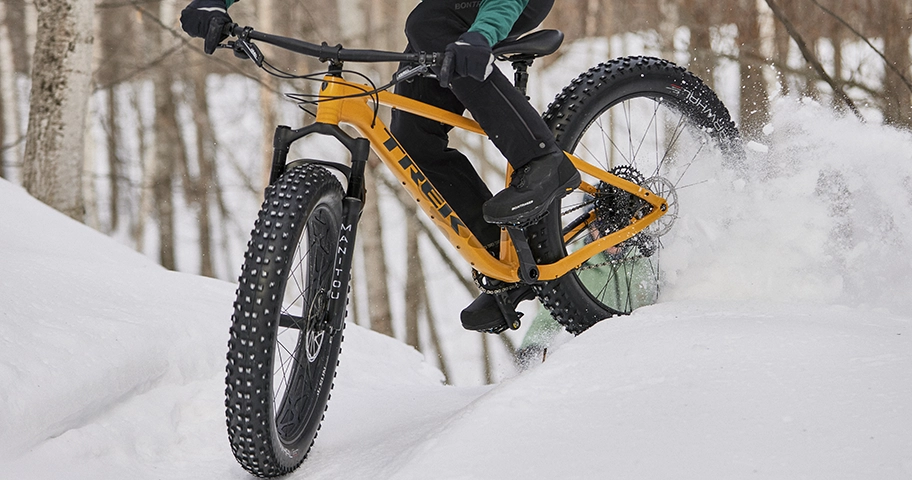
In mountain biking, winter boots offer extra grip and durability on challenging trails. They are well suited to snowy and muddy conditions where both protection and good walkability are needed.
3. Commuting by bicycle in winter
Commuter cyclists benefit from winter shoes that are easy to wear and versatile. They offer comfort and protection throughout the journey, and many models feature reflective details for added safety when riding in the dark.
Shoe fit and adjustment
Winter cycling boots should fit snugly, but provide enough room for thicker socks. Shoes should be slightly roomier than summer shoes to provide insulation and room to move to prevent your feet from getting cold.
Adjustment mechanisms:
- Boa attachment: Quick and precise adjustment for a snug fit, even with gloves on.
- Velcro fastening: An easy and reliable way to secure your feet firmly in place.
- Waterproof film cover: Some models include an external membrane or cover to prevent water and snow from entering the shoe.
Maintenance and lifetime
Winter cycling shoes are exposed to harsh conditions, so regular maintenance is important to prolong their life.
Maintenance instructions:
- Clean after use - Remove snow, salt and dirt with a damp cloth.
- Dry thoroughly - Let the shoes dry at room temperature, but avoid drying them near heaters.
- Treat with protectants - Waterproofing agents help maintain the functionality of the shoe membranes and the flexibility of the materials.
Summary
Winter cycling shoes allow you to cycle all year round, providing protection and comfort in cold and wet conditions. They are essential equipment for cyclists who want to continue riding during the winter months. Properly selected and maintained shoes make winter cycling safe and enjoyable on all trails.