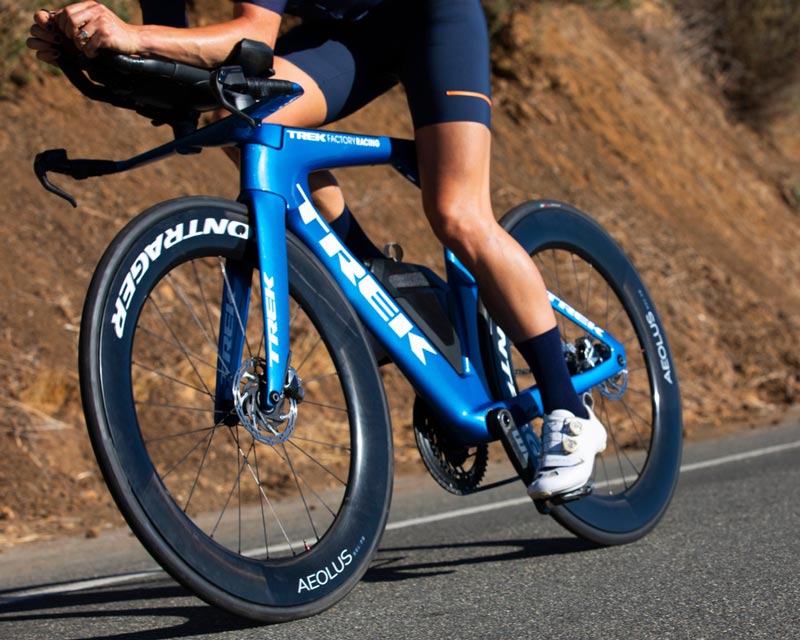
The typical battery life of an e-bike is 3-7 years or 500-1000 charge cycles in normal use. The lifetime depends on the type of battery, how it is used and how well it is maintained. Lithium-ion batteries are the most common and durable in today's electric bikes. Proper care and storage can significantly extend battery life.
What is the average battery life of an e-bike in use?
The average battery life of an e-bike is 3-7 years or 500-1000 full charge cycles depending on the type of battery and operating conditions. Lithium-ion batteries, which are the most common in today's electric bikes, typically last the longest and offer the best performance.
Battery life is affected by many factors. Frequency of use is an important factor - a battery used daily will wear out faster than a battery used weekly. Weather conditions also play a role: cold temperatures shorten battery life and heat can permanently damage battery chemistry.
The way you drive affects battery wear. Constant use of high levels of assistance, steep hills and strong headwinds will consume more battery power. The weight and load of the cyclist also affect the load on the battery. A heavier load requires more power from the motor, which will drain the battery faster.
Battery quality and manufacturer are important factors. Batteries from well-known brands such as Bosch, Shimano or Yamaha tend to last longer than cheaper alternatives. The cells in these batteries are designed to withstand repeated charging and discharging better. Check out VMSport's quality electric bike range and find a model with a long battery life to suit your needs.
How do I know when my e-bike battery is running out?
Electric bike battery degradation is visible shorter operating distance, longer charging time and reduced subsidy efficiency. When the battery is operating at no more than 60-70% of its original capacity, it starts to need replacement for normal use.
The first sign of battery degradation is shorter operating range. If your bike used to go 60 kilometres on a single charge, but now you can only go 40 kilometres in the same conditions, the battery has lost a significant amount of capacity.
Charging time changes as the battery ages. An old battery may charge faster than before because it cannot store as much energy. On the other hand, some batteries start to require longer charging times as their internal resistance increases.
Aid effectiveness is gradually declining. Climbing hills feels more difficult, and the highest aid level no longer feels as effective as before. The battery may also drain abruptly during the last few percent instead of discharging steadily.
Physical signs of battery degradation include the battery becoming hotter than normal during charging, swelling or deformation. These are serious signs that require immediate attention for safety reasons.
How to extend the battery life of your e-bike with the right care?
Extending the battery life of an e-bike with the right charging practices, with appropriate storage temperature and regular use. The 20-80% battery should be kept at its charge level and avoid complete discharge or continuous full charging for long periods.
Charging is the single most important factor in battery life. It is preferable to charge the battery between 20-80%, as this reduces the chemical reactions that stress the cells. A full charge to 100% is only necessary for long distances.
The storage temperature has a significant impact on the condition of the battery. The ideal storage temperature is 10-20 degrees Celsius. A hot car in summer or a freezing storage room in winter can permanently damage the battery. In winter, the battery should be kept in a warm place and taken indoors.
Regular use is better for keeping your battery in good condition than long periods of use. If the bike will not be used for months, it is recommended to charge the battery to 50-60% level and check the charge level every few months. A fully discharged battery can be permanently damaged.
Cleaning and maintenance are part of battery care. Keep the battery terminals clean and dry. Moisture and dirt can cause corrosion and poor connections that put unnecessary strain on the battery.
What does it cost to replace an e-bike battery and when is it worth it?
Electric bike battery replacement costs typically 400-800 euros depending on the size and brand of the battery. Replacement is worthwhile when the original battery operates at less than 60% capacity and the bike is otherwise in good condition. For a bike over 5 years old, a new bike may make more sense.
The price of a battery depends on the brand, capacity and technology. A Bosch PowerTube 625Wh battery costs around €600-700, while a smaller 400Wh battery costs €400-500. Batteries from well-known brands are more expensive but generally more reliable.
When deciding on a replacement, it is worth assessing the overall value and condition of the bike. If the bike is less than 3 years old and otherwise in good working order, it is usually worth replacing the battery. On older bikes, other components may start requiring maintenance or replacement soon. Compare VMSport's new electric bikes and find out whether it's worth replacing the battery or buying a new bike.
Buying a new bike may make more sense if your original bike is more than 5 years old or if you want to upgrade your technology. New e-bikes have better motors, batteries and components. The resale value of an old bike should be taken into account in your calculations.
The guarantee affects the decision. A new battery usually comes with a 2-year warranty, while a new bike comes with a warranty on the whole system. If the original battery fails during the warranty period, replacement is free or low-cost depending on the terms of the warranty.
Understanding the life cycle of an e-bike battery will help you make smart decisions about both maintenance and replacement. Proper care will significantly extend the life of your battery and save you money in the long run. We can provide you with expert advice on how to maintain and replace your e-bike battery. Find the perfect electric bike at VMSport and enjoy a long-lasting driving experience for years to come.