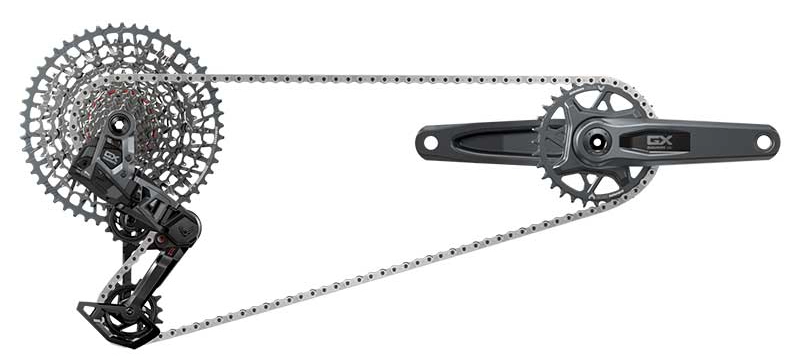
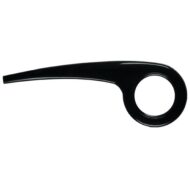
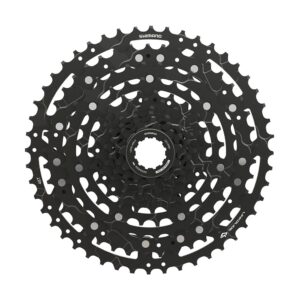
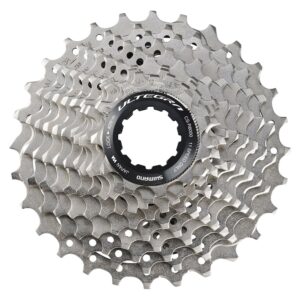
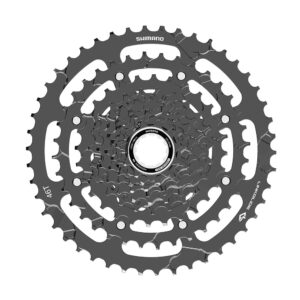
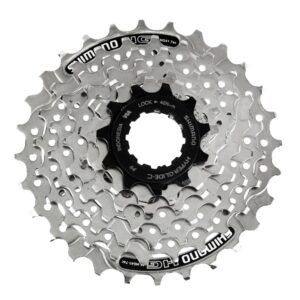
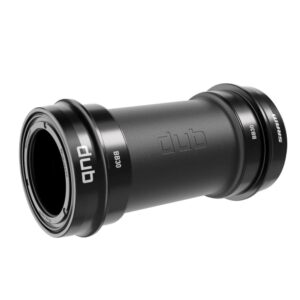
The transmission consists of wheel components that transmit power from the pedals to the rear wheel. The main parts are the chains, front sprockets, rear sprockets (cassette), derailleurs and gear levers. A quality transmission ensures smooth gear changes and efficient pedalling. Regular maintenance, such as chain cleaning, lubrication and replacement of worn parts, extends the life of the transmission and improves the driving experience.
Wheel drivetrain - the basis for efficient driving
The wheel's drivetrain is a key part of the bike's performance, and is responsible for transmitting the force generated by pedalling to the rear wheel, converting muscle power into movement. The quality and condition of the drivetrain directly affects the speed, efficiency and ride comfort of the bike. A well-functioning drivetrain ensures that every pedal stroke moves you forward with maximum effortlessness and precision.
Whether commuting, touring or demanding off-road cycling, the importance of drivetrain is particularly important in varied terrain and over long distances. A properly maintained and quality transmission allows for smooth gear changes, smooth pedalling and reduced component wear.
Why is the drivetrain the most important technical part of a bike?
The drivetrain is the ”moving heart” of the bike, with its components working together continuously to ensure that energy is transferred efficiently from the pedals to the rear wheel. If the drivetrain is dirty or worn, pedalling becomes harder, gear changes become inaccurate and the bike's performance is significantly reduced.
When choosing and maintaining your transmission, you should consider the following:
Driving style and purpose - On road bikes, the emphasis is on lightness and precision, while on mountain bikes, transmission durability and gear range are important.
Component quality and compatibility - Quality and compatible parts ensure a long-lasting and reliable transmission.
Regular maintenance - Cleaning and lubricating your chains and wheels will extend the life of your parts and ensure a smooth ride.
Range and pedal feel - Different types of bikes and riding situations require different gear ranges and different pedalling sensations.
The main components of the powertrain and their roles
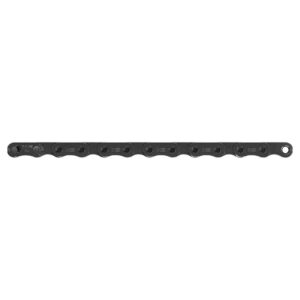
1. The chain - the core of the transmission
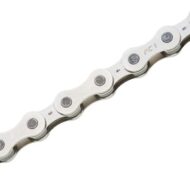
The chain is the most important part of the drivetrain and the one most exposed to wear. It connects the front and rear wheels, transmitting power from the pedals to the rear wheel. A high-quality chain reduces friction and improves pedalling efficiency.
Mission: Transmission of power from the front wheel to the rear wheel.
Maintenance: Regular cleaning, lubrication and replacement of worn chains.
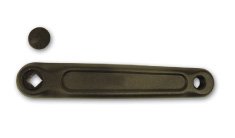
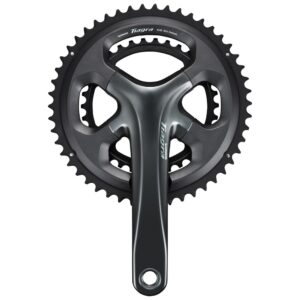
2. Front wheels and crankset
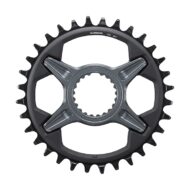
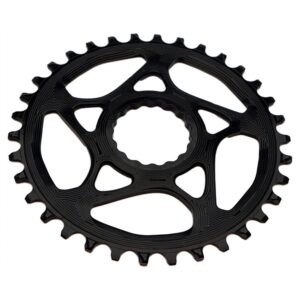
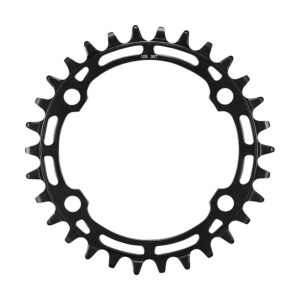
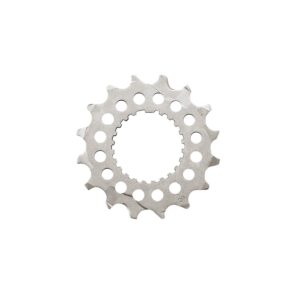
The front wheels are located in the pedals and are directly connected to the chain. The size and number of wheels affect the variability of the transmission and the driving style.
Mission: Determines the gear range of the wheel and pedal
intuntuman. More front wheels allow a wider gear range and adaptability to different terrains.
Maintenance: Check for wear and replace the sprockets if necessary, especially if the chain starts to slip or the gears don't work smoothly.
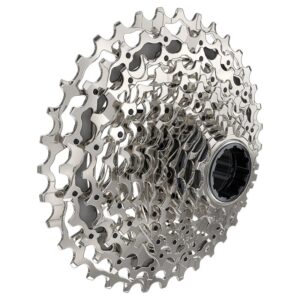
3. Back pack (cassette or free wheel)
The rear axle consists of several wheels that determine the number of gears and the gear range of the wheel. The wide rear deck allows for a wide range of gears for both steep uphill and fast downhill.
Mission: Adjusting the gears and distributing the power at different levels.
Maintenance: Clean and check for wear regularly. A worn cassette should be replaced at the same time as the chain to keep the transmission in balance.
4. Rear converter and front converter
The shifters guide the chain to the right sprocket and allow you to shift gears smoothly. The rear derailleur works with the rear sprockets and the front derailleur between the front sprockets.
Mission: Moving the chain between different wheels, according to the choice of gear.
Maintenance: Regular adjustment and cleaning of the gearboxes will improve the accuracy of the gear and prevent the chain from falling off.
5. Switching levers
The gear levers are located on the handlebars and allow you to change gears while driving. They are essential for controlling the transmission and optimising wheel performance.
Mission: Transmits a command to the switches, moving the chain to the desired cog.
Maintenance: Make sure that the levers work smoothly and accurately. Gear levers can wear over time and need lubrication and adjustment.
Transmission service and maintenance - Extend the life of your bike
Regular maintenance is the key to a smooth and efficient transmission. With a little effort, you can extend the life of your components and ensure your bike runs smoothly year after year.
Key maintenance operations:
Chain cleaning and lubrication - A dirty chain increases friction and wears transmission parts faster. Clean the chain regularly and lubricate it with the appropriate chain oil.
Chain wear check - Use a chain measuring tool and replace the chain in time. A chain that has been worn too long can wear out the rear and front sprockets.
Checking the cassette and wheels - If the chain starts to jump on the wheels, the cassette or front sprockets may be worn and need to be replaced.
Adjustment of shifters and shunting - Check that the gears work accurately and shift without delay. Adjustment is easy, and if necessary you can contact a bike service.
Why is transmission selection and maintenance important?
The choice of drivetrain affects the efficiency and comfort of cycling. A quality and well-maintained transmission reduces energy loss
and ensure that each pedal stroke is translated into movement as efficiently as possible. The choice of the right drivetrain is based on the type of wheel and driving needs.
For example:
On road bikes lightness and accuracy are of paramount importance. The narrow chain, large rear pack and precise shifters ensure efficient pedalling and smooth gear changes at high speeds.
On mountain bikes the durability of the transmission and the extent of the gear range are key. Steep climbs and technical routes require a wide range of gears and a strong and durable chain.
City bikes and electric bikes focus on ease of use and low maintenance. Hub gearboxes and continuously variable transmissions are popular solutions because they are virtually maintenance-free and protect the transmission from dirt and moisture.
Summary
The drivetrain is the core of the bike, affecting cycling efficiency, comfort and safety. Regular maintenance, such as cleaning and lubricating chains, and timely replacement of wearing parts such as cassette and chain, will extend the life of your bike and significantly improve your riding experience.
Choosing the right drivetrain and taking care of it makes cycling smooth and enjoyable - whether it's a city ride, long hikes or challenging off-road trails.