Showing 1–16 of 23 results
-
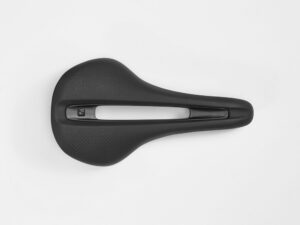
Bontrager Verse Elite Cycling saddle
124,99 €This product has multiple variants. The options may be chosen on the product page -

Seat ERGON SMC MTB women, M/L, black
82,00 €In stock (15 available)Supplier stock:Unavailable -
Seat ERGON SMC MTB women, S/M, black
82,00 €In stock (10 available)Supplier stock:Unavailable -
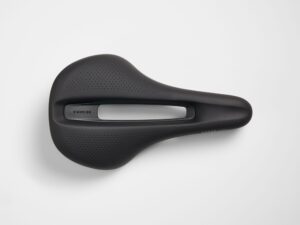
Trek Verse Short Comp Cycling Saddle
74,99 € -
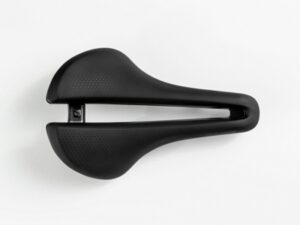
Bontrager Aeolus Comp Cycling saddle
67,99 €This product has multiple variants. The options may be chosen on the product page -
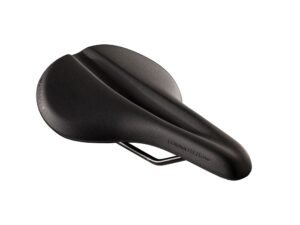
Bontrager Commuter Comp bike saddle - BLACK
44,99 €This product has multiple variants. The options may be chosen on the product page -
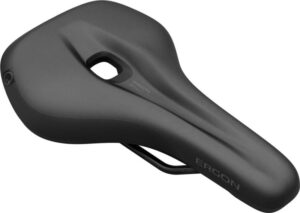
Seat ERGON SF men, M/L, black
51,00 €In stock (5 available)Supplier stock:Unavailable -
Seat ERGON SF men, S/M, black
51,00 €In stock (5 available)Supplier stock:Unavailable -
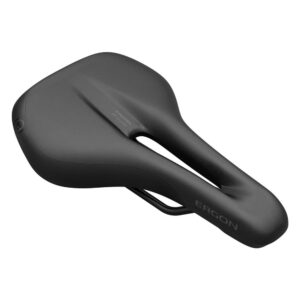
Seat ERGON SF women
51,00 €This product has multiple variants. The options may be chosen on the product page -
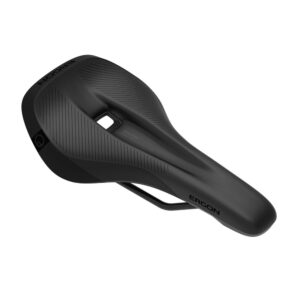
Seat ERGON SM E-Mountain Pro Men's
119,00 €This product has multiple variants. The options may be chosen on the product page -
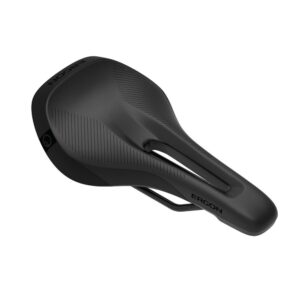
Seat ERGON SM E-Mountain Pro Women's
119,00 €This product has multiple variants. The options may be chosen on the product page -
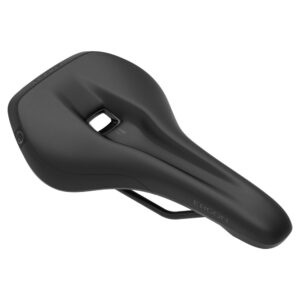
Ergon SMC Comfort seat
82,00 €This product has multiple variants. The options may be chosen on the product page -
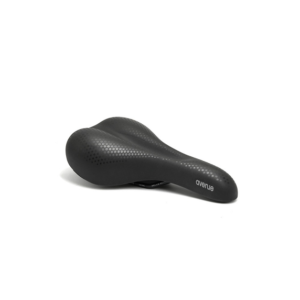
Selle Royal Satula Avenue Athletic
49,00 €Not available from supplierSupplier stock:Unavailable -
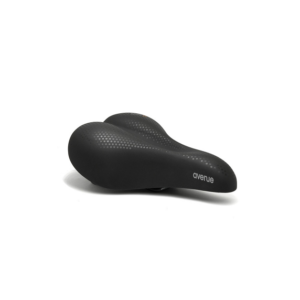
Selle Royal Satula Avenue Moderate
49,90 €Not available from supplierSupplier stock:Unavailable -
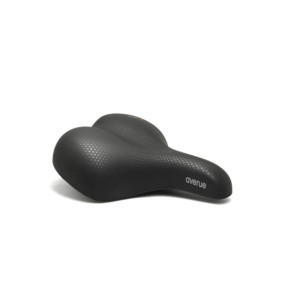
Selle Royal Satula Avenue Relaxed
49,00 €Not available from supplierSupplier stock:Unavailable -
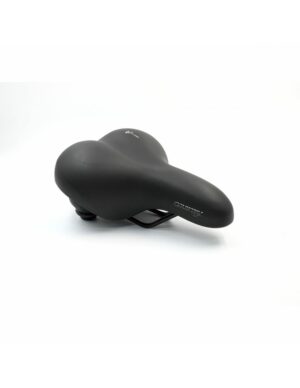
Selle Royal Satula Country
39,90 €Not available from supplierSupplier stock:Unavailable
Satulat
Saddles - at the heart of driving comfort and performance. The saddle is one of the most important components of a bike, as it directly affects ride comfort, pedalling efficiency and long distance endurance. A properly selected saddle prevents stress, chafing and numbness, improving the cycling experience. Saddle types: sport saddles: narrow and lightweight, designed for road and mountain biking where power transfer and aerodynamics are key. The narrowness of the saddle allows free movement of the legs and efficient pedalling. Comfort saddles: wider and padded, designed for casual riding and urban bikes. They distribute the weight over a wider area, reducing pressure on the seat bones. Ergonomic saddles: designed to support the hips and reduce pressure on sensitive areas. These often have a notch in the centre to improve circulation and reduce numbness. Racing saddles: extremely lightweight and minimalist, designed for maximum performance and shorter race distances. Materials:Synthetic: Durable and lightweight, the most common choice for a wide range of cycling activities. Leather: Moulds to the rider over time, but requires more maintenance. Offers a classic look and longevity. Gel and foam: Used as cushioning for comfort, especially on urban and touring bikes. Maintenance and adjustment: the correct saddle height and angle are key to comfort and performance. A saddle that is adjusted too high or too low can cause knee and back pain. Regular saddle checks and replacement when necessary will ensure a long and comfortable riding experience.