Showing 1–16 of 126 results
-
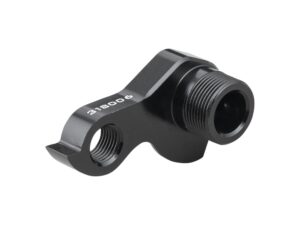
Mounting bracket Trek Hardtail Convert 135×5 Black
24,99 €In stock (1 available)Supplier stock:Unavailable -

Cardan shaft unit RD-R7150
24,99 €Not available from supplierSupplier stock:Unavailable -
R.H. Name Plate&Fixing Screw ST-4700
5,99 €Not available from supplierSupplier stock:Unavailable -
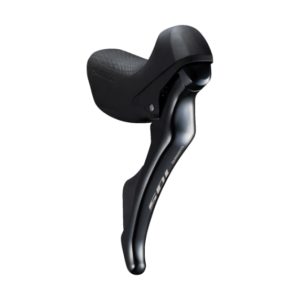
SHIMANO 105 Shift/brake lever (for curved handlebar) STR7000SET 1800 / 2100 600 / 600 / 300 black
239,99 €Not available from supplierSupplier stock:Unavailable -
Sale!
Shimano Rear derailleur ultegra 6870 di2 2×11 23-28t - IRD6870SS
Original price was: 259,00 €.190,00 €Current price is: 190,00 €.Not available from supplierSupplier stock:Unavailable -
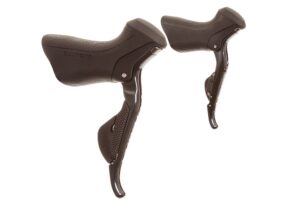
Shimano Ultegra Di2 6870 2×11 shifters
289,00 €Not available from supplierSupplier stock:Unavailable -

SHIMANO XTR Rear derailleur upgrade kit (Di2) RDM9250UPGKIT SGS I-SPEC EV
860,00 €Not available from supplierSupplier stock:Unavailable -
SRAM Trigger shifter GX Black 10 speed Rear
49,00 €Not available from supplierSupplier stock:Unavailable -
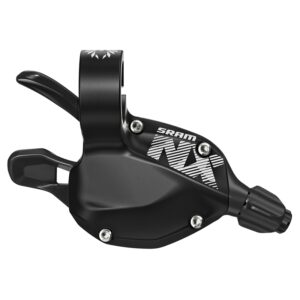
SRAM Trigger shifter NX Eagle Black 12 speed Rear
48,90 €Not available from supplierSupplier stock:Unavailable -
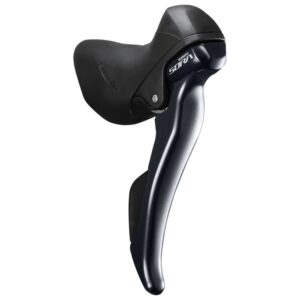
STI lever Sora R3000 right, 9v
119,00 €Not available from supplierSupplier stock:Unavailable -
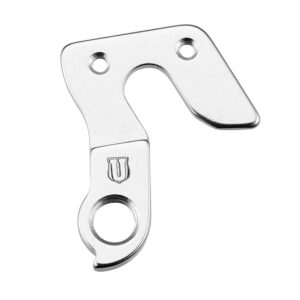
Rear derailleur replacement UNION GH-274 Orbea
25,00 €In stock (1 available)Supplier stock:Unavailable -
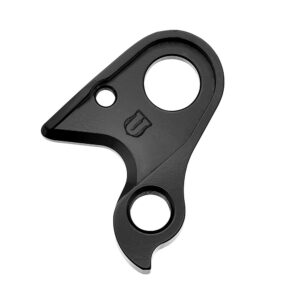
Rear derailleur replacement UNION GH-300 Haibike
25,00 €In stock (1 available)Supplier stock:Unavailable -
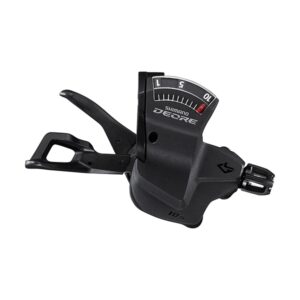
Gear shift lever Right 10v, not OGD SL-M5130-IR Deore Linkglide
44,00 €Not available from supplierSupplier stock:Unavailable -
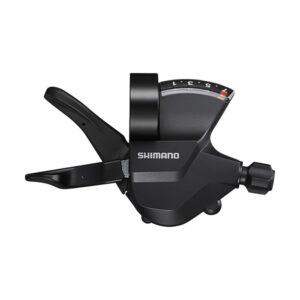
Gear lever right 7v, OGD SL-M315, incl. cables
19,99 €Not available from supplierSupplier stock:Unavailable -
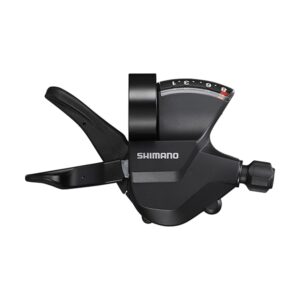
Gear lever right 8v, OGD SL-M315, incl. cables
19,99 €Not available from supplierSupplier stock:Unavailable -
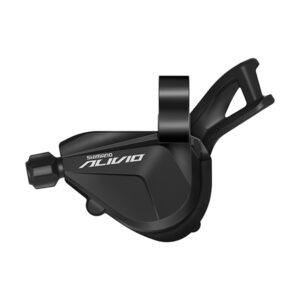
Gear lever left 2v, not OGD SL-M3100-2L Alivio
24,90 €Not available from supplierSupplier stock:Unavailable
Transmissions
Wheel gearbox - the core of efficiency and driving comfort
The bike's gearbox is an essential part of the bike's performance and riding comfort, allowing you to cycle on different terrains and in different conditions without pedalling too hard or too light. A properly selected and maintained gearbox significantly improves the riding experience, making uphills easier and downhills more manageable. The gearing allows the bike to adapt to the rider's needs, whether for fast road riding, technical mountain biking or casual urban cycling.
Why is the gearbox important?
The gearbox has a direct impact on the performance and efficiency of the bike. It ensures that you can maintain the right pedal cadence in different situations while saving energy. This is particularly important over long distances, over demanding terrain and in variable weather conditions.
The choice of gearbox is influenced by the following factors:
- Your driving style and use - Different gearbox types are suitable for different driving situations, such as urban, off-road or long distances.
- Maintenance needs and durability - Some gearboxes require regular maintenance, while others are virtually maintenance-free.
- Number of gears and smoothness of shifting - A wider range of gears allows for a more versatile drive, while the continuously variable transmission offers constant adaptability.
- Weather conditions - External gearboxes can be exposed to dirt and moisture, while internal gearboxes are better protected.
Different types of gearboxes and their characteristics
1. External gearbox - Performance and a wide range of gears
External gearboxes are the most common and versatile type of gearbox. It consists of chains, rear derailleur, front derailleur and cassette. The external gearbox offers a wide range of gears and is particularly suitable for road and off-road cycling where precise and efficient power transmission is required.
- Benefits: Wide range of gears, light and efficient.
- Uses: Mountain bikes, road bikes, gravel bikes.
- Points to note: Requires regular maintenance and is more susceptible to dirt and moisture.
2. The hub gearbox - a carefree and sustainable solution
The hub gearbox is located inside the wheel hub, which protects its gear parts from dirt and moisture. This makes hub gears virtually maintenance-free and long-lasting. They are popular on city bikes and electric bikes, where minimizing maintenance is important.
- Benefits: Durable, weatherproof and low maintenance.
- Uses: City bikes, touring bikes, electric bikes.
- Points to note: Heavier and more expensive than an external gearbox.
3. Continuously variable transmission - Seamless and continuous gear change
The continuously variable transmission allows driving without clear gear steps. This makes driving smoother and more adaptive. Often integrated with a hub gearbox, a continuously variable transmission is ideal for electric bikes and city bikes where simplicity and comfort are desired.
- Benefits: Very smooth and maintenance-free.
- Uses: Electric bikes, city bikes, touring bikes.
- Points to note: Higher price and limited performance in demanding terrain.
4. Internal gearbox - A reliable combination of technologies
The internal gearbox combines the features of a conventional gearbox and an automatic transmission. It is often electronically controlled and offers ease of use and precision. This type of gearbox automatically adapts to the driving situation and allows smooth gear changes without manual adjustment.
- Benefits: Easy to use and automatic.
- Uses: Electric bikes, city bikes.
- Points to note: Technologically more complex and more expensive.
The main parts of the gearbox and their importance
1. Switches - Guide the chain to the right sprocket and allow smooth gear changes.
2. Chain - Connects the front wheels and the rear tyre, transferring the pedalling power to the rear tyre.
3. Cassette - A set of wheels attached to the rear tyre, which determines the range and gear range of the gearbox.
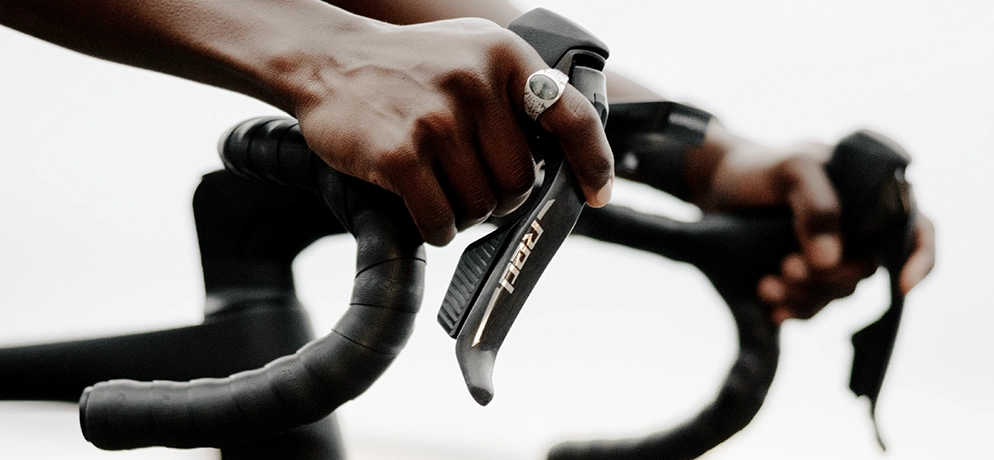
4. Shifting levers - Allow gear changes from the handlebars.
Gearbox maintenance - Extend the life and improve performance
Regular maintenance of your gearbox is the key to its efficiency and longevity.
Important maintenance measures:
- Chain cleaning and lubrication - Regular cleaning and lubrication will reduce wear and improve transmission.
- Checking the cassette and chain - Check for wear and replace if necessary. A worn chain can damage the cassette.
- Adjustment of exchangers - Make sure that the gears change smoothly and accurately.
- Inspection of the hub gearbox - Although the hub gearbox is maintenance-free, you should check its condition regularly.
Choosing the right gear and keeping it in good condition will ensure an efficient and enjoyable cycling experience in all situations.